 The Daily Pulse
Business
US Dollar Holds Steady Against Major Currencies Following Cooler Inflation Data
Reported by Danish Ansari (Fact-Checker) · Livemint - Markets ·
Confirmed by a second source: CNBC - Top News
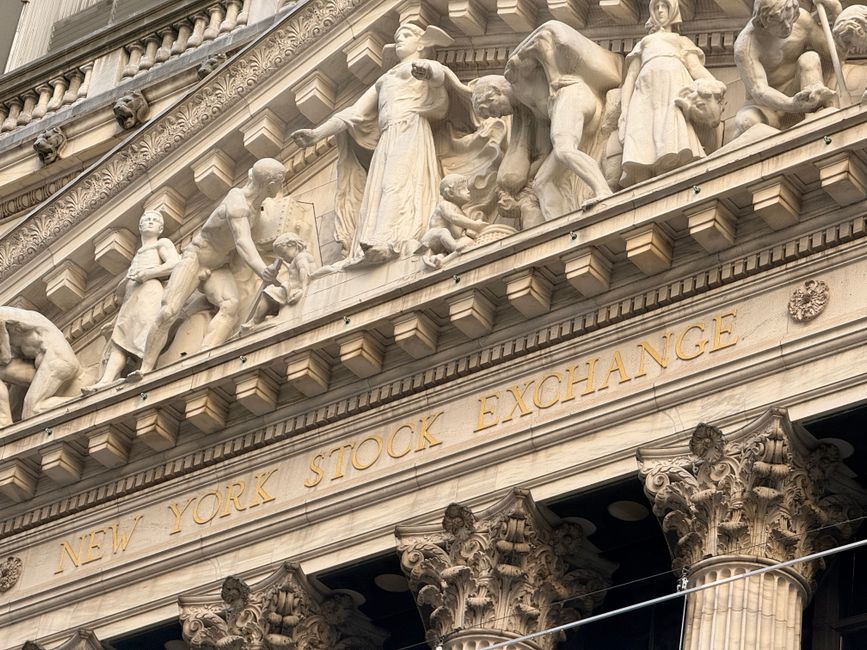 Representative image · Pexels
The US dollar remained flat against major currencies following a smaller-than-expected increase in domestic inflation, which reduced market bets on an interest rate hike from the Federal Reserve. Data from the US Commerce Department showed that the Personal Consumption Expenditures Price Index rose 0.3% in August, which was less than the 0.4% increase forecast by economists polled by Reuters. Following the data release, traders are now pricing a 37% probability of a Fed rate hike in October, down sharply from 70% a week ago according to the CME's FedWatch tool.
Market Movements
The dollar pared some of its earlier gains before recovering as US Treasury yields fell across the board. The 2-year note yield was last down 0.4 basis points at 4.885%. The euro was flat at $1.133050, remaining on track for a monthly loss against the dollar after two consecutive months of gains. The dollar was also flat at 157.34 against the yen, up 0.26% at 0.83575 versus the Swiss franc, and flat on the dollar index at 101.47. Sterling strengthened 0.26% to $1.3265 but was set for a monthly loss, while the Australian dollar weakened 0.57% to $0.6948 and the kiwi weakened 0.09% to $0.5635. Meanwhile, Minneapolis Federal Reserve President Neel Kashkari told CNBC that price growth remained a concern despite the cooler data, noting in an interview that inflation is still running at around a 3% rate and has been elevated for more than five years.
Context
The Personal Consumption Expenditures Price Index is watched closely by the Federal Reserve as its preferred gauge of inflation when deciding on monetary policy and interest rates. Central banks adjust interest rates to manage economic growth and price stability, and market expectations around these rate decisions frequently shift in response to incoming consumer price and GDP data.
ExplainerWhy this matters
What Happened
Fresh economic data showed that US inflation rose by 0.3% in August, falling short of the 0.4% increase that economists had predicted. This cooler-than-expected reading caused financial markets to immediately re-evaluate the likelihood of further interest rate hikes by the Federal Reserve.
Why It Matters
Interest rate decisions by the Federal Reserve directly influence borrowing costs, mortgage rates, currency valuations, and overall economic activity across the globe. When inflation prints lower than expected, it signals to investors that central bank pressure on the economy might ease, changing how currencies and bonds are priced worldwide.
What Happens Next
Market participants will continue to monitor upcoming economic indicators, employment reports, and further statements from Federal Reserve officials to gauge whether the central bank will proceed with rate adjustments at its upcoming policy meetings.
More in Business
 Representative image · Pexels
BusinessVerified — Confirmed by a second source: Google News - USA BusinessMajor
Global Stock Indexes Fall as Bond Yields Surge Near 2002 Highs
Reported by Siddharth Deshmukh (Staff Writer) · Economic Times - Markets ·
 Representative image · Pexels
BusinessUnconfirmed — Reported by one source so farImportant
Sebi has revamped its Document Number Verification System, making a letter's subject matter a mandatory field for authentication of regulatory letters.
Reported by Danish Ansari (Fact-Checker) · Economic Times - Markets ·
