 The Daily Pulse
Business
Riskiest US company debt hits highest risk level since 2023 banking crisis
Reported by Pooja Nair (Section Editor) · Livemint - Markets ·
Reported by one source so far
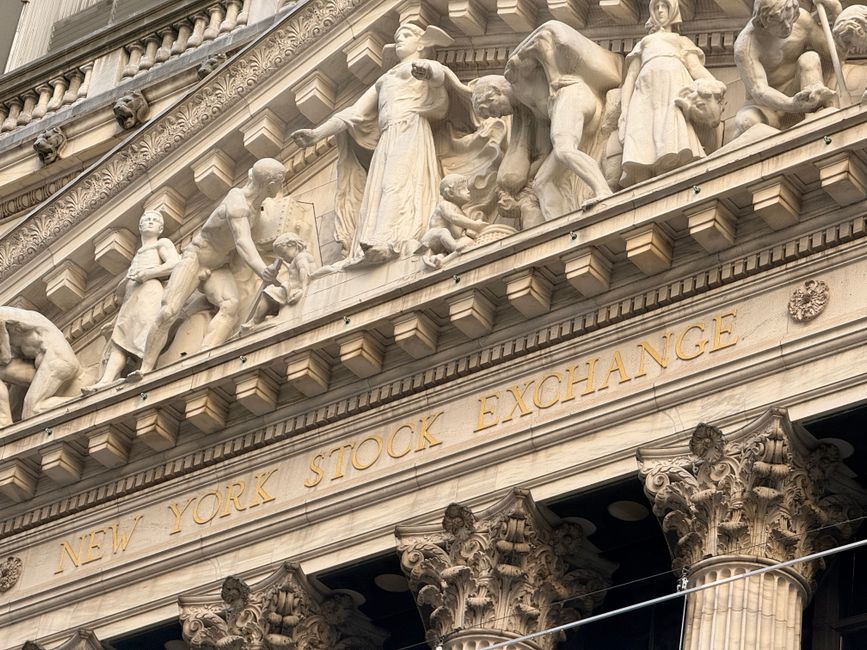 Representative image · Pexels
The gap in yield between the riskiest US corporate bonds and safe government debt has crossed 1,000 basis points for the first time since the regional banking crisis in 2023. This high risk premium points to a strong chance of company defaults, debt restructurings, or money losses.
Debt Levels
Bonds rated CCC, which form the lowest tier of junk debt, traded at a spread of 1,007 basis points on Wednesday. This marks a sharp rise from 860 basis points at the start of September and reaches the widest gap seen since March 2023, when the collapse of Silicon Valley Bank and Credit Suisse shook markets.
Market Causes
Collin Martin, head of fixed income research and strategy at Charles Schwab Corp., notes that while the economy is doing well, it is not growing at a fast pace. Triple C rated companies face the highest risk and react most sharply to shifting interest rates. Spreads have climbed steadily since April as investors expected the Federal Reserve to tighten policy to fight inflation. Rising global yields make it harder for heavily indebted firms to pay interest and refinance loans, especially as a large volume of debt comes due. Tatiana Darie, macro strategist for Markets Live, warns that years of pushing troubled debt into the future are catching up to these weak firms. Smaller companies struggle more with high energy prices and inflation because they cannot easily pass those costs on to buyers, which squeezes profits. Jack McIntyre, global bond portfolio manager at Franklin Templeton Inc., points out that past Federal Reserve rate hikes during high energy price periods have caused economic trouble.
Sector Impact
Not all CCC debt is failing, though the weakest bonds drag down the entire group according to Barclays Plc. Over half of the worst-performing CCC bonds belong to the technology, media, and telecommunications sectors, with cable and satellite firms lagging the most. Corry Short, a strategist at Barclays, explains that performance varies greatly across different companies and sectors. CCC rated firms account for about 8.5% of the US high-yield index, which is down from 9.7% a year ago. Meanwhile, spreads for higher-rated bonds have stayed stable despite falling stock prices and high global yields.
Context
Bond spreads measure the extra return investors demand to take on the risk of lending money to companies compared to safe government bonds. When this spread widens past 1,000 basis points, it signals that the market views the borrower as facing a very real threat of failing to pay back its debt.
ExplainerWhy this matters
What Happened
The riskiest tier of US corporate debt, known as CCC-rated or junk bonds, has seen its risk premium jump past 1,000 basis points over Treasury bonds. This indicates that investors view these companies as much more likely to face severe financial trouble.
Why It Matters
When borrowing costs spike and debt refinancing becomes difficult, weak companies often run out of cash. This can lead to a wave of corporate defaults and restructurings, which can eventually pressure the broader financial system and reduce business investment or hiring.
What Happens Next
Observers will monitor upcoming Federal Reserve policy decisions, global energy prices, and upcoming debt maturity dates for these vulnerable companies to see if the distress stays contained within the lowest-rated tier or spreads to the wider credit market.
More in Business
 Representative image · Pexels
BusinessVerified — Confirmed by a second source: Google News - USA BusinessMajor
Global Stock Indexes Fall as Bond Yields Surge Near 2002 Highs
Reported by Siddharth Deshmukh (Staff Writer) · Economic Times - Markets ·
 Representative image · Pexels
BusinessUnconfirmed — Reported by one source so farImportant
Sebi has revamped its Document Number Verification System, making a letter's subject matter a mandatory field for authentication of regulatory letters.
Reported by Danish Ansari (Fact-Checker) · Economic Times - Markets ·
