 The Daily Pulse
Science & Environment
Economists Propose Direct Climate Payments Tied to Carbon Pricing
Reported by Aakash Bora (Staff Writer) · The Hindu - Energy and Environment ·
Reported by one source so far
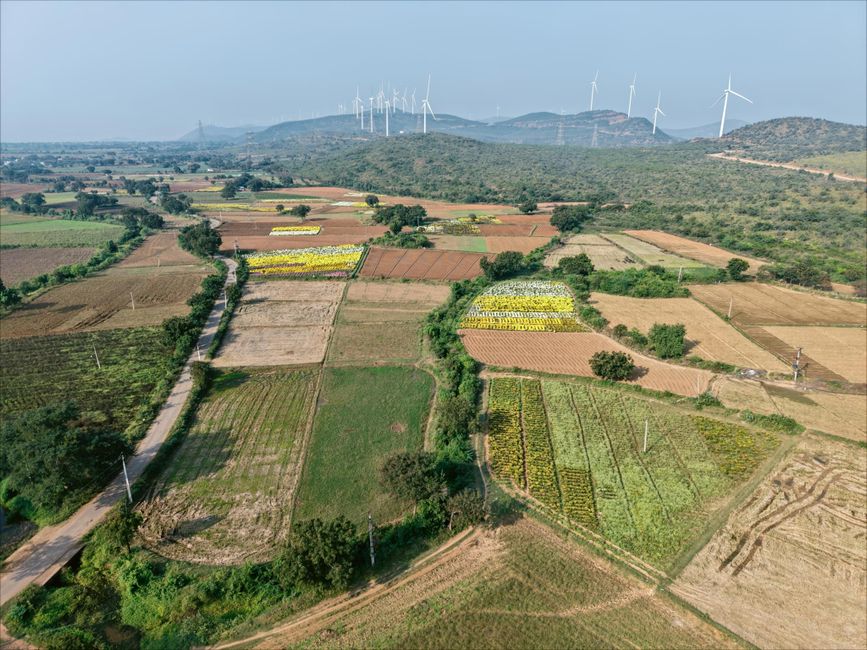 Representative image · Pexels
Wealthy industrialised nations should send direct cash transfers to people in developing nations to cover climate harm caused by past emissions, provided those developing nations set a price on carbon. That proposal forms the core of an upcoming book titled Just Economics, authored by University of Chicago economist Michael Greenstone alongside Nobel laureates Abhijit Banerjee and Esther Duflo.
Direct Payments
Under the plan, citizens in countries like India would receive unrestricted funds sent straight to individuals rather than state treasuries, calculated according to the environmental damage inflicted by emissions from the Organisation for Economic Co-operation and Development. Mr. Greenstone noted that moral arguments have failed, as eighty-two percent of future emissions are projected to originate outside the OECD bloc. The proposed financial transfer relies on a mutual agreement where the Global South adopts carbon pricing in exchange for these funds, with specific terms open to bilateral negotiation between entities such as the European Union and India.
Market Solutions
Highlighting the failure of traditional climate finance ahead of next month's annual climate summit in Turkey, Mr. Greenstone pointed to his prior work on market-based pollution controls. His team previously partnered with the Gujarat Pollution Control Board in 2010 on the Surat Emissions Trading Scheme for textile plants, which achieved ninety-nine percent compliance through strict enforcement and permit trading. Similar trial markets for sulphur dioxide are now underway in Maharashtra, with ongoing discussions in Rajasthan, Uttar Pradesh, Madhya Pradesh, Bihar, and Haryana.
Context
Carbon pricing is widely viewed by economists as an efficient way to curb greenhouse gas emissions by making polluters pay for the environmental costs they generate. The OECD is a group of mostly developed economies whose historical industrial activity accounts for a major share of accumulated global greenhouse gases. Such market mechanisms attempt to balance the economic costs of running industries with the need to protect air quality and public health.
ExplainerWhy this matters
What Happened
Economist Michael Greenstone and fellow researchers have proposed that wealthy nations compensate developing countries for climate damages through direct cash payments to citizens, conditional on those developing nations implementing carbon pricing.
Why It Matters
This approach attempts to bypass traditional government-to-government climate aid, which critics argue has largely failed, while using market incentives to encourage developing economies to curb rising emissions instead of relying solely on failed moral appeals.
What Happens Next
As countries prepare to meet in Turkey for the annual climate summit, discussions around carbon pricing and alternative financing models are expected to gain traction among policymakers and researchers.
More from today
 Representative image · Pexels
Science & EnvironmentExplainerUnconfirmed — Reported by one source so farWorth knowing
Nepal Plans Major Glacial Lake Drainage Project to Prevent Floods
Reported by Shreya Kapoor (Senior Writer) · The Hindu - Energy and Environment ·
 Representative image · Wikimedia Commons
Health• UpdatedUnconfirmed — Reported by one source so farWorth knowing
Sylvester Stallone said he became bulimic and reduced his body fat to about 2.6% while preparing for Rocky III and Rambo
Reported by Siddharth Deshmukh (Staff Writer) · Indian Express - Health ·
 Representative image · Wikimedia Commons
Crime• UpdatedUnconfirmed — Reported by one source so farImportant
Chief Election Commissioner Gyanesh Kumar is responsible for 13 crore voters being removed from the electoral rolls, making him the biggest traitor in the country.
Reported by Varun Krishnan (Senior Writer) · Times of India - Crime ·