 The Daily Pulse
Science & Environment
Australia and Pacific leaders meet in Fiji and Tuvalu to shape upcoming UN climate goals
Reported by Tanvi Pillai (Section Editor) · The Conversation AU - Environment ·
Reported by one source so far
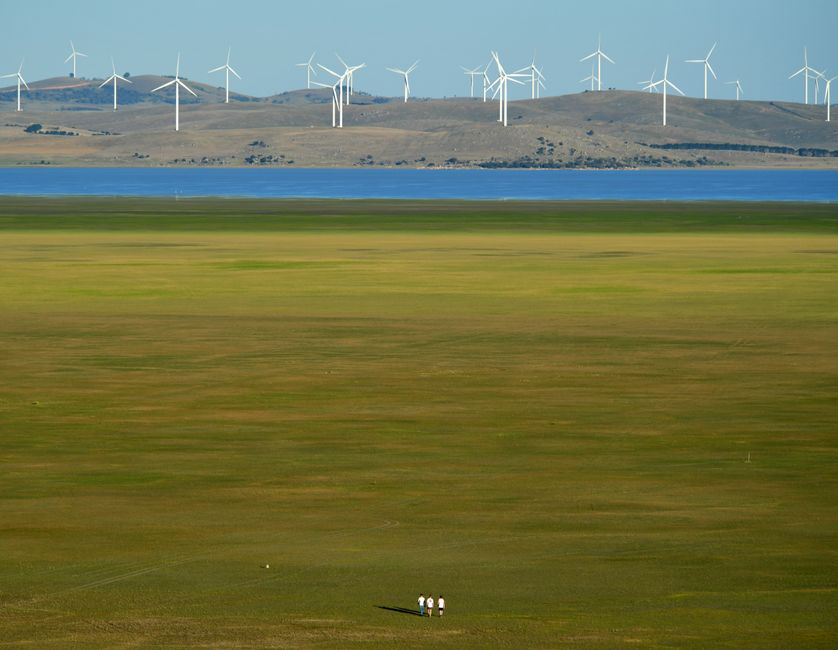 Representative image · Pexels
Leaders and delegates from countries including Australia, Germany, Mexico and Thailand are meeting in Fiji and Tuvalu to highlight the climate threats faced by small island nations and press for lower carbon emissions.
UN Summit Preview
These talks serve as a curtain-raiser for the annual United Nations climate summit, known as COP31, which takes place in Antalya, Turkey, in early November. Australia and Fiji are jointly hosting these Pacific meetings following a compromise deal struck at last year's COP30, after Turkey made a rival bid to host the main UN event.
Leadership Roles
The co-hosting arrangement divides duties between the two nations. Turkey's Environment Minister Murat Kurum serves as COP31 President-Designate to handle UN procedural rules, while Australia's Minister for Climate and Energy Chris Bowen is President of Negotiations to steer climate talks. Both countries are expected to consult each other and hold talks to reach a mutually satisfactory conclusion if any differences arise.
Key Issues
Negotiations will focus on implementing existing commitments under the Paris Climate Agreement as part of a new global stocktake cycle. A major dispute is expected over climate finance, with the UN stating that funds must reach US$1.3 trillion, or nearly A$1.9 trillion, every year by 2035. Wealthy polluting nations face pressure to deliver these funds, especially as loss and damage funds run low and countries like Nepal deal with severe climate disasters. Australia also faces criticism from Pacific leaders for not moving its own economy away from fossil fuel production fast enough.
Context
Pacific island nations are among the most vulnerable to climate change because rising sea levels directly threaten their land and homes. The annual UN climate summits bring nearly 200 nations together to negotiate global climate goals and emission reduction targets under the Paris Agreement.
ExplainerWhy this matters
What Happened
Australia and Turkey reached a compromise deal at COP30 to share hosting duties for the UN's COP31 climate summit, with pre-meetings held in Fiji and Tuvalu.
Why It Matters
This unprecedented shared leadership model splits procedural control and negotiation stewardship between two very different countries. It raises questions about how power and decision-making will work in practice, particularly when balancing the urgent survival needs of low-lying Pacific nations against broader global political disputes over fossil fuels and climate finance.
What Happens Next
The co-hosting nations will need to navigate potential disagreements during the November summit in Turkey without causing a stalemate that delays crucial emission and climate funding decisions.
More from today
 Representative image · Wikimedia Commons
EducationUnconfirmed — Reported by one source so farWorth knowing
IIT Madras Tops National NIRF Engineering Rankings for 2026
Reported by Tanvi Pillai (Section Editor) · Bing News - Education (India) ·

