The Daily Pulse
Business
GST Council to review proposal to remove tax arrest powers
Reported by Sneha Patil (Staff Writer) · Indian Express - Business ·
Reported by one source so far
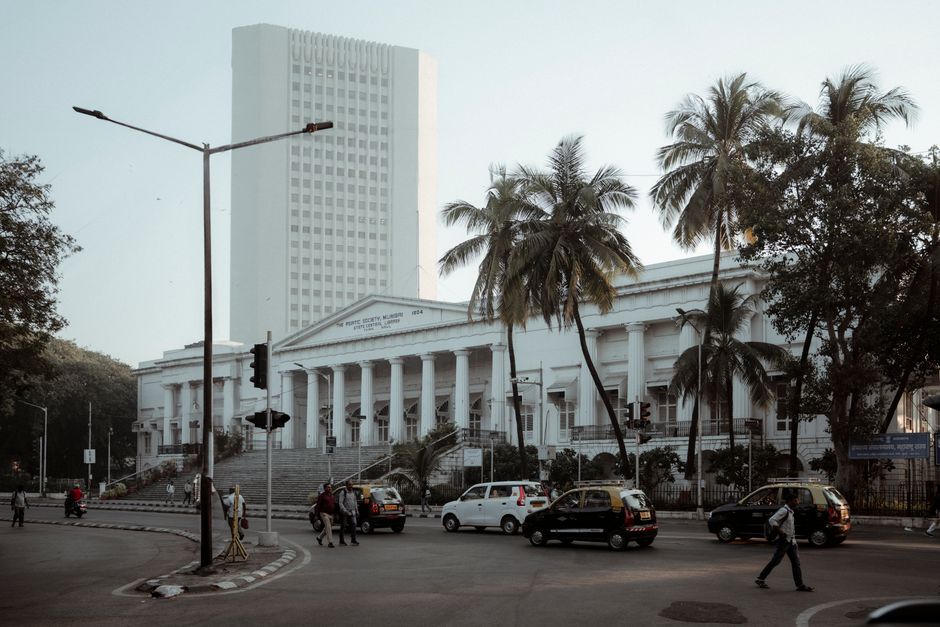
 Representative image · Wikimedia Commons
The Goods and Services Tax regime is set for a major change with the proposed removal of arrest powers, more than nine years after its rollout in July 2017. The upcoming GST Council meeting on October 7 will take up the proposal to decriminalize offenses under the indirect tax regime in a bid to boost investor sentiment and allay concerns about tax authority overreach. The Centre and states have held multiple meetings over the past eight to nine months to reach a broad consensus on removing these provisions, which traders and businesses viewed as a major impediment.
Offenses And Data
For intentional frauds and deceit, authorities will proceed with prosecution and arrests through the country's criminal code, the Bharatiya Nyaya Sanhita. From 2021-22 to 2024-25, central GST formations recorded 72,393 cases of offenses and made 887 arrests, with state authorities making additional arrests. Under Section 69 of the Central GST Act, commissioners could authorize arrests for offenses like fake invoices and fraudulent input tax credit if they had written reasons to believe a person was involved. Industry experts noted that arrests had become a harassment tool, particularly in the services sector.
Future Steps
Following the 57th GST Council meeting slated for Wednesday, the Centre is expected to introduce an amendment during the Winter Session of Parliament to enable the removal of arrest powers. The government has also moved toward decriminalizing offenses on the direct tax side, with the Central Board of Direct Taxes removing arrest and detention provisions from tax recovery rules in September. Concerns about arrest powers date back to the early meetings of the GST Council in December 2016, when representatives from Maharashtra and West Bengal raised objections regarding the ease of doing business and the lack of such powers under VAT laws.
Context
Tax systems in India balance the need for strict enforcement against tax evasion with the promotion of business growth and ease of operations. The GST Council serves as the governing body that brings together central and state representatives to make collective decisions on indirect tax policies and laws. Amendments to tax laws require parliamentary approval following recommendations from this council before they can take formal legal effect.
ExplainerWhy this matters
What Happened
The Goods and Services Tax regime is considering removing arrest powers for tax offenses, shifting intentional fraud prosecution to the criminal code instead.
Why It Matters
Businesses and industry leaders have long criticized tax arrest powers as a tool for harassment and a barrier to the ease of doing business. Removing these provisions aims to improve investor confidence and reduce fear of overreach while still punishing intentional fraud through standard criminal laws.
What Happens Next
The GST Council will discuss the proposal at its upcoming meeting, after which the Centre is expected to introduce a legislative amendment during the Winter Session of Parliament to officially change the GST laws.
More in Business
 Representative image · Wikimedia Commons
BusinessUnconfirmed — Reported by one source so farImportant
Government Increases Deepwater Natural Gas Price Ceiling to $9.89
Reported by Tanvi Pillai (Section Editor) · The Hindu - Business ·