 The Daily Pulse
Science & Environment
Pre‑COP Climate Summit Launches in Fiji, Highlighting Pacific Frontlines
Reported by Aditya Chauhan (Staff Writer) · The Hindu - Energy and Environment ·
Reported by one source so far
 Representative image · Wikimedia Commons
The United Nations pre‑COP climate summit opened in Nadi, Fiji on Monday, October 5, 2026. The meeting gathers Pacific island leaders to press the global community on the urgent impacts they face from rising seas and extreme weather. The gathering seeks to draw worldwide attention to communities already coping with sea‑level rise, coastal erosion and frequent storms. Fiji’s Climate Minister Lynda Tabuya said at the opening ceremony, “It is a great honour on behalf of the government and the people of Fiji, the honourable Prime Minister Sitiveni Ligamamada Rabuka to open the stakeholder programme of the Pacific pre‑COP31.” The remarks underscored Fiji’s role in steering the dialogue and highlighted Prime Minister Sitiveni Rabuka’s support. Delegates will also hold sessions on the atoll nation of Tuvalu later this week, aiming to showcase on‑the‑ground climate challenges. Organisers describe the Nadi talks as a precursor to the main UN‑sponsored global climate summit, COP31, scheduled for next month in Turkey. The pre‑COP gatherings are intended to shape the agenda of the larger summit and ensure Pacific concerns feature in the final negotiations. The summit runs through the week with side events and stakeholder workshops that aim to build regional consensus.
Context
Pre‑COP events are smaller meetings held before a COP to allow vulnerable regions to set priorities and build coalitions. They help amplify the voices of nations most affected by climate change ahead of the high‑profile COP31 talks in Turkey.
More in Science & Environment
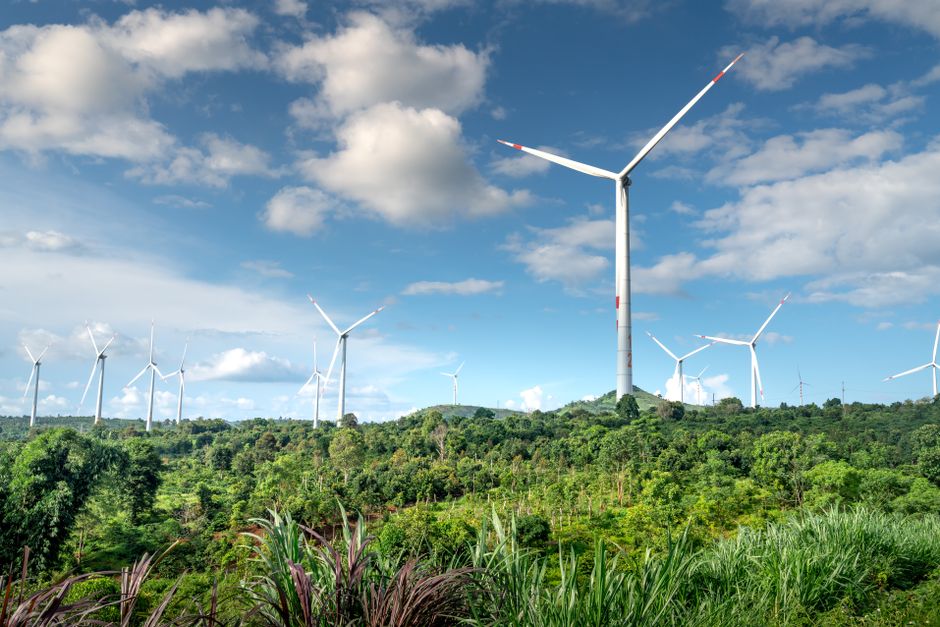 Representative image · Pexels
Science & Environment• UpdatedExplainerVerified — Confirmed by a second source: The Hindu - ScienceImportant
Urban wind speeds drop across cities as taller buildings block natural airflow and worsen heat
Reported by Neha Sharma (Staff Writer) · The Hindu - Energy and Environment ·
Science & Environment• UpdatedExplainerVerified — Confirmed by a second source: The Hindu - Energy and EnvironmentImportant
Urban planning gaps and high-rises worsen near-ground wind drop in Indian cities.
Reported by Deepak Mishra (Copy Editor) · The Hindu - Science ·
Science & Environment• UpdatedExplainerVerified — Confirmed by a second source: The Hindu - ScienceImportant
Urban building designs slow ground-level winds and worsen city heat stress.
Reported by Tanvi Pillai (Section Editor) · The Hindu - Energy and Environment ·