 The Daily Pulse
Education• Updated
Global Educator Shortages Persist as International Data Highlights Indian Classroom Ratios
Reported by Faizan Khan (Staff Writer) · Indian Express - Education ·
Confirmed by a second source: Bing News - Education (India)
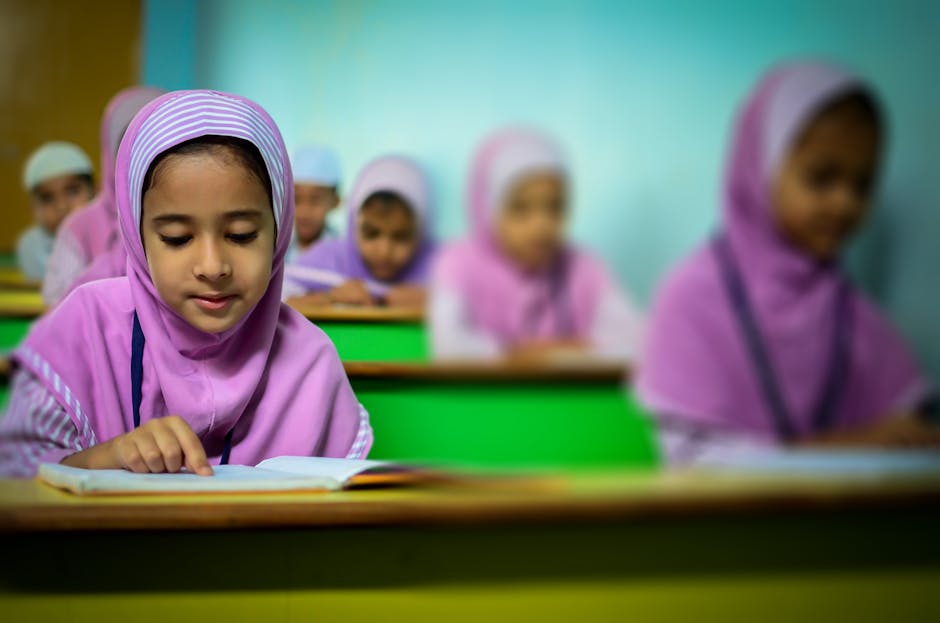 Representative image · Pexels
UPDATE - follow-up to World Teachers' Day: What global shortages and India's numbers tell us: UNESCO estimates that the world needs 44 million more primary and secondary teachers by 2030 to achieve universal basic education. About 15 million of those openings are in sub-Saharan Africa. In Southern Asia, the gap sits at 7.8 million educators.
Global and National Ratios
Heavy workloads, modest pay and low recognition drive these shortages across wealthy and poor nations alike. OECD data for 2024 puts India's student-to-teaching-staff ratio at 27 for primary education, compared with an OECD average of 14. At lower-secondary, India records 19 against an OECD average of 13, and at upper-secondary, India is at 21 against an OECD average of 13. Meanwhile, Indian baseline UDISE+ data for 2024-25 show a primary PTR of 20, upper primary at 17, secondary at 15 and higher secondary at 23.
Higher Education Vacancies
A separate SBI Research report on higher education shows India's college and university PTR was 23 in 2023-24, though state figures vary widely from 14 in Tamil Nadu, Kerala and Goa up to 57 in Bihar. That report also notes that 14,042 out of 41,351 sanctioned teaching posts were vacant in centrally funded institutions, marking a 34 per cent vacancy rate. Vacancies reached 39 per cent in IITs, 54 per cent in IIITs, 29 per cent in NITs and 31 per cent in IIMs, with professor-level openings hitting 56.2 per cent.
Context
Comparing teacher-student ratios helps education planners track classroom crowding and resource distribution across different school systems. While international averages offer a broad benchmark, local state-level variations in India show how heavily teacher availability depends on regional funding and infrastructure.
What changed since yesterday
- Global Teacher Shortages Highlighted as UNESCO Warns of Millions More Needed by 2030
- Global teacher shortages highlight heavy student loads in Indian schools
Latest
Global Educator Shortages Persist as International Data Highlights Indian Classroom Ratios
More from today
 Representative image · Pexels
AutomobileUnconfirmed — Reported by one source so farWorth knowing
Aprilia Launches Updated SXR GT 125 And 175 Scooters In India
Reported by Neha Sharma (Staff Writer) · Rushlane ·
 Representative image · Pexels
Science & Environment• UpdatedExplainerVerified — Confirmed by a second source: The Hindu - ScienceImportant
Urban wind speeds drop across cities as taller buildings block natural airflow and worsen heat
Reported by Neha Sharma (Staff Writer) · The Hindu - Energy and Environment ·
