 The Daily Pulse
Health
What to do when you find a breast lump, according to experts
Reported by Sneha Patil (Staff Writer) · Hindustan Times - Health ·
Reported by one source so far
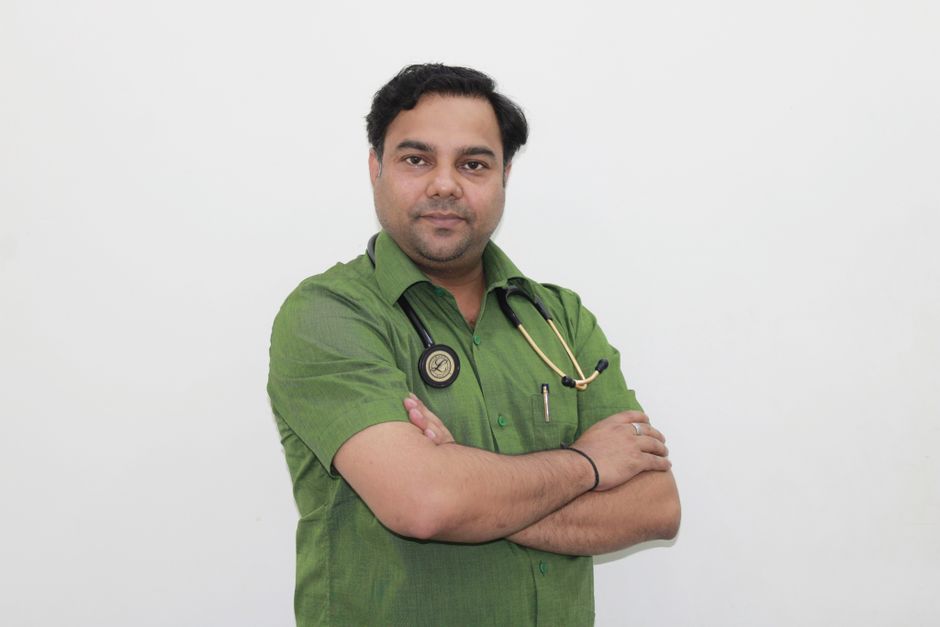
Finding a lump in the breast can cause fear, but it does not automatically mean cancer. Benign conditions can also cause lumps, though new or unusual breast changes should not be ignored. Dr Balaji Ramani, a clinical surgical oncologist at Gleneagles in Chennai, advises against panicking or putting off an evaluation.
What To Do
Breast tissue naturally changes with age, hormones, menstruation, pregnancy, and breastfeeding. Conditions like cysts and fibroadenomas can also cause lumps, meaning the feel of a lump alone cannot confirm cancer. Instead of repeatedly pressing the lump, patients should take note of when it was first noticed, its exact location, changes in breast size or shape, skin or nipple changes, unusual discharge, and armpit swelling.
Medical Evaluation
Pain is not a reliable indicator because cancerous lumps can be painless, while breast pain can stem from hormones or benign conditions. Doctors will review medical history and examine the breast and underarm area. Depending on age and symptoms, imaging such as a mammogram or ultrasound may be recommended. A mammogram uses low-dose X-rays, while an ultrasound uses sound waves to check if a lump is solid or fluid-filled. If imaging shows a suspicious area, doctors may advise a biopsy to examine a small tissue sample under a microscope.
When To See A Doctor
Medical advice should be sought for a new lump in the breast or armpit, a change in size or shape, skin dimpling, persistent skin changes, a newly inverted nipple, or unusual nipple discharge, especially if it is bloody.
Context
Breast lumps are a common health concern that require professional medical evaluation rather than self-diagnosis. Early consultation with qualified specialists ensures that any non-cancerous conditions or potential health risks are properly identified through clinical tests.
More in Health
 Photo: Wikimedia Commons
HealthUnconfirmed — Reported by one source so farWorth knowing
Union Health Minister launches youth squads to boost tuberculosis drive
Reported by Neha Sharma (Staff Writer) · The Hindu - Health ·

HealthUnconfirmed — Reported by one source so farWorth knowing
Doctors explain proper cetirizine use, side effects, and withdrawal risks.
Reported by Shreya Kapoor (Senior Writer) · Indian Express - Health ·
