 The Daily Pulse
World
Severe El Nino Sparks Global Weather Chaos and Crop Concerns
Reported by Aditya Chauhan (Staff Writer) · The Hindu - International ·
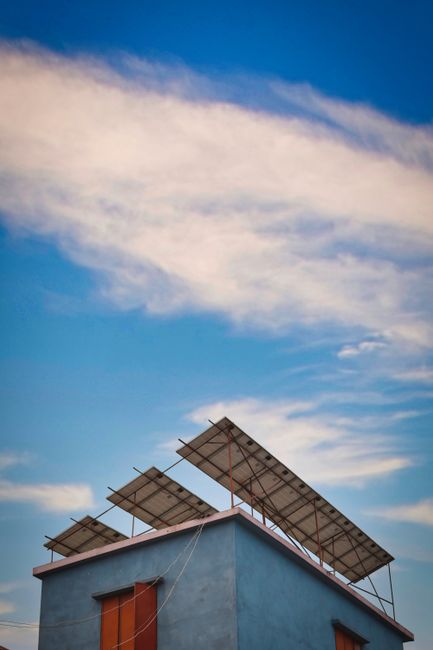
An unusually intense El Nino cycle is disrupting weather across the planet, threatening food supplies and pushing 2026 toward becoming the second-warmest year ever recorded.
Global Heat
Global temperatures continue to break marks, driven by this climate shift combining with human-caused warming. Copernicus data shows that October kept up a trend of extreme global warmth, featuring record ocean and surface readings. Samantha Burgess, who leads climate strategy at the European Centre for Medium-Range Weather Forecasts, points out that the natural warming cycle is pumping extra heat into an already heated atmosphere. Thirty-three nations shattered October heat highs. Observers calculate a twenty percent probability that 2026 will match or surpass 2024 as the hottest year on record, while experts warn the pattern could push 2027 even higher.
South America and Asia
Governments in South America are taking emergency steps as heavy rains flood the region. Peru proclaimed a nationwide state of emergency due to the looming threat of floods, following a similar move by Bolivia. Downpours have already flooded northern areas in Peru like Tumbes and Piura. Officials warn that over nine million people face serious danger from floods and mudslides, affecting nearly a third of the nation. In Asia, the climate trend brings opposing problems. Dry weather threatens hydro power in some areas, though Sri Lanka recently dropped a proposed power price hike after heavy rains filled water reservoirs. Even so, Sri Lanka expects a dry spell in early 2027 that will force a shift to costlier fossil fuel power, while roughly seventy percent of its current power comes from green sources like hydro and solar. Meanwhile, the Philippines earmarked more than 980 million dollars for an emergency response plan to protect farming. Agriculture generates about eight percent of the Philippine economy and employs a quarter of its workers. Philippine rice output dropped eighteen percent in the third quarter due to the weather shift and fuel and fertilizer cost spikes from the Iran war, with below-normal rainfall expected in November.
Polar Impact and Food Security
Scientists noted a rare early disruption to the polar vortex this November, an event recorded only three times since the 1950s, which increases cold snap risks and likely ties back to El Nino. These erratic conditions threaten harvests and animal feed production globally. Floods ruin stored food and wreck the transport routes needed to move goods. Maximo Torero, chief economist at the United Nations' Food and Agriculture Organization, notes that these shocks drive up prices even before crops are fully harvested.
Context
El Nino is a recurring climate pattern that warms Pacific Ocean waters and alters rainfall and temperature norms worldwide. These shifts regularly alternate between causing severe droughts in some regions and heavy floods in others. Nations often prepare contingency funds and emergency plans to safeguard local agriculture and power generation against these predictable seasonal shocks.
More in World
 Photo: Wikimedia Commons
WorldSource: BBC NewsImportant
Jemima Goldsmith Alleges Abuse by Russell Brand Following His Prison Sentence
Reported by Ananya Das (Senior Writer) · BBC News ·
 Photo: Wikimedia Commons
WorldExplainerVerified — Confirmed by a second source: BBC News - WorldMajor
US Lawmaker Moves to Impeach Defense Secretary Over Iran War Amid Midterm Fallout
Reported by Vivek Joshi (Copy Editor) · Indian Express - World ·

World• UpdatedExplainerVerified — Confirmed by a second source: BBC News - WorldMajor
FBI investigates Nvidia chief over affair with alleged Chinese agent.
Reported by Sneha Patil (Staff Writer) · The Hindu - International ·