 The Daily Pulse
General
Police File Chargesheet Against Businessman Veeramani and Drivers Over Minor's Complaint
Reported by Siddharth Deshmukh (Staff Writer) · The Hindu - National ·
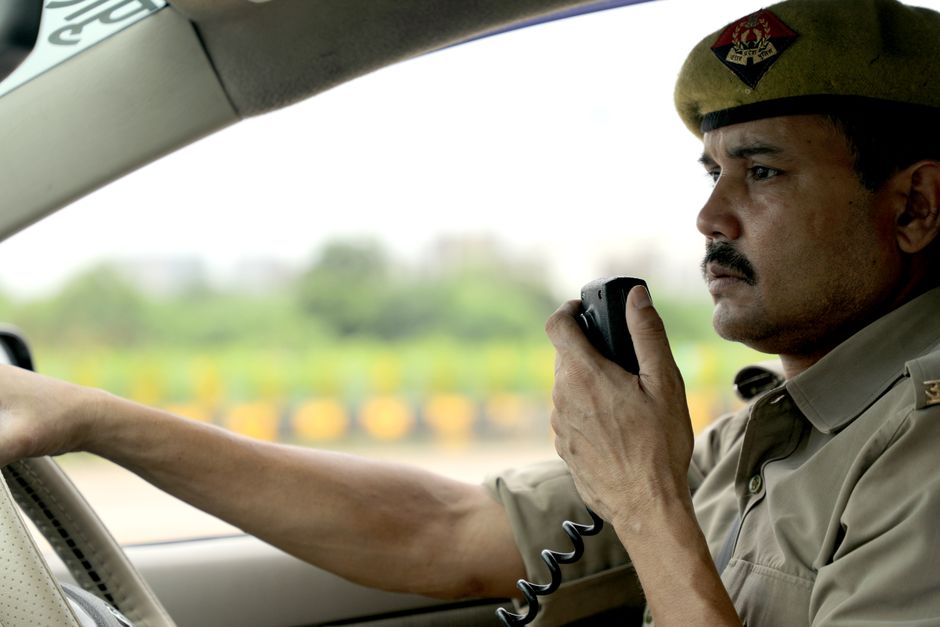
Police have filed a chargesheet against businessman Veeramani and two of his drivers in a designated court for cases under the Protection of Children from Sexual Offences (POCSO) Act.
The Charges And Cases
The legal action follows a complaint from a minor girl who stated that Veeramani sexually exploited her. During an identification process held by a special investigation team (SIT), the survivor identified the octogenarian businessman. Veeramani now faces a total of seven cases under the POCSO Act, along with a separate case accusing him of abetting the suicide of a minor in 2004. Investigators report that these combined cases involve more than ten survivors who accuse him of sexual abuse. Alongside Veeramani, his drivers Parthiban and Babu face charges under various provisions of the Indian Penal Code, the POCSO Act, and the Scheduled Castes and Scheduled Tribes (Prevention of Atrocities) Act.
Ongoing Investigation
The special investigation team is currently working to finalise investigations in several additional cases linked to the accused. Meanwhile, authorities are tracking another wanted suspect, Prakash Kanniah, who is believed to be staying in the United Kingdom. Police have taken steps to revoke his passport and secure an arrest warrant from the court to help issue a Red Corner notice against him. Official sources indicate that Kanniah is likely to return to the country sometime this week.
Context
Chargesheets are formal legal documents that police submit to a court after completing an investigation, laying out the specific charges against accused individuals to begin the trial process. Special courts designated under the POCSO Act deal specifically with offences against children to ensure speedy trials. The use of special investigation teams is a common step in high-profile criminal cases involving multiple victims to streamline evidence gathering and legal procedures.
More in General
 Photo: Wikimedia Commons
GeneralSource: The HinduWorth knowing
CMC Vellore to Host Exhibition and Poster Contest for World Diabetes Day
Reported by Danish Ansari (Fact-Checker) · The Hindu - National ·

