 The Daily Pulse
World
Pakistani Opposition Leader Warns Military Over Power Concentration
Reported by Siddharth Deshmukh (Staff Writer) · The Hindu - International ·
Reported by one source so far
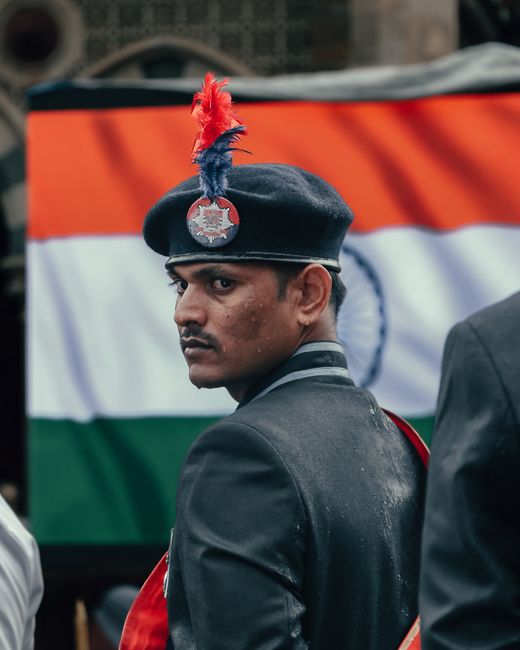
Pakistani opposition leader Maulana Fazlur Rehman has warned that the growing concentration of power within the military establishment threatens the country's stability. Speaking at a public gathering in Multan on Friday, the Jamiat Ulema-e-Islam chief stated that Pakistan can only function properly when the military, bureaucracy, and elected institutions stay within their constitutional limits.
Recent Political Tensions
Mr. Rehman criticized the federal administration led by Prime Minister Shehbaz Sharif, calling it a fake government of powerless rulers that lacks a true electoral mandate. His remarks follow the imposition of emergency and governor's rule in Khyber Pakhtunkhwa on October 11, a move executed by President Asif Ali Zardari that removed the provincial government of Imran Khan's Pakistan Tehreek-e-Insaf. Mr. Rehman previously condemned that decision as an attack on democracy and also targeted the Pakistan Peoples Party over the move.
Government Response
Punjab Chief Minister Maryam Nawaz strongly reacted to Mr. Rehman's statements, stating that his comments about Army Chief Field Marshal Gen Asim Munir hurt every patriotic Pakistani. She accused him of backing individuals responsible for mismanagement and corruption in Khyber Pakhtunkhwa instead of holding them accountable.
Context
Civil-military relations have long played a central role in Pakistan's political landscape, with debates frequently arising over the political influence of military and bureaucratic institutions compared to elected civilian bodies. Tensions often peak during provincial government dismissals and changes in federal leadership.
ExplainerWhy this matters
What Happened
Pakistan's political landscape is facing renewed friction after the federal government imposed emergency and governor's rule in Khyber Pakhtunkhwa, removing the provincial government tied to jailed former Prime Minister Imran Khan's party.
Why It Matters
This conflict highlights deep structural friction between civilian political parties, elected governments, and Pakistan's powerful military and bureaucratic institutions. When state power shifts away from elected bodies, it often triggers instability, protests, and sharp divisions among political leaders regarding constitutional limits and democratic governance.
What Happens Next
Opposition figures like Maulana Fazlur Rehman have pledged to resist these governance decisions through parliamentary and democratic channels. Observers will watch whether these protests lead to broader political realignments or further legal and institutional battles across provinces.
More in World
 Photo: Wikimedia Commons
WorldExplainerVerified — Confirmed by a second source: BBC News - WorldMajor
Ukraine Launches Over One Thousand Drones in Major Attack Targeting Russian Oil Facilities
Reported by Varun Krishnan (Senior Writer) · ABC News - International ·
 Photo: Wikimedia Commons
WorldVerified — Confirmed by a second source: Google News - UK WorldMajor
French President Macron to Address Nation After Violent Protests and Looting
Reported by Deepak Mishra (Copy Editor) · SMH - World ·

WorldVerified — Confirmed by a second source: Google News - Australia WorldMajor
Four Dead and Dozens Hurt in Massive Fire at Canadian Military Base.
Reported by Aakash Bora (Staff Writer) · BBC News ·