 The Daily Pulse
Health
Stanford researchers grow mouse brains with major human cell parts
Reported by Neha Sharma (Staff Writer) · Google News - USA Health ·
Reported by one source so far
 Representative image · Wikimedia Commons
Researchers have created advanced laboratory mice with brain cortices that are nearly half human. A team from Stanford Medicine developed this model to study human brain development and disorders. The project uses human-derived organoids in mice through a process called developmental xenocortication. This research allows scientists to examine how human brain cells grow and function in a living animal system.
ExplainerWhy this matters
What Happened
Researchers at Stanford Medicine integrated human-derived brain organoids into the brains of mice, creating subjects with cortices that are roughly half human.
Why It Matters
Studying living human brain tissue directly in humans is extremely difficult and restricted by ethical rules. This animal model lets scientists watch how human neurons grow, form connections, and malfunction in real time, which can help find new treatments for brain disorders.
What Happens Next
Scientists will use these models to test drugs and observe disease progression, while bioethicists and researchers continue to debate the ethical limits of blurring the line between human and animal neural tissue.
More in Health
 Representative image · Wikimedia Commons
HealthUnconfirmed — Reported by one source so farWorth knowing
India's Health Ministry approves biovigilance programme to strengthen safety monitoring
Reported by Faizan Khan (Staff Writer) · Bing News - Health (India) ·
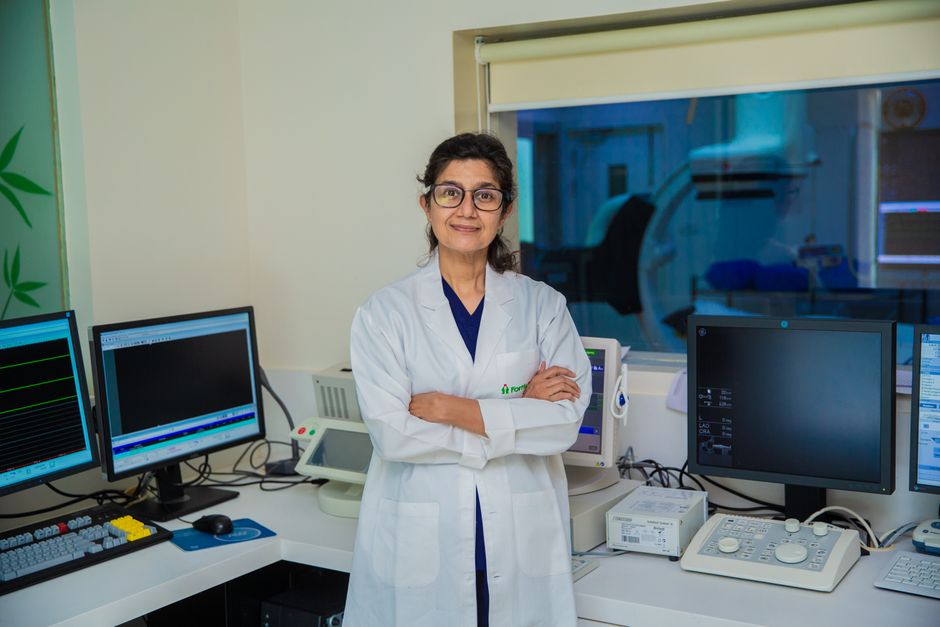 Representative image · Pexels
HealthUnconfirmed — Reported by one source so farWorth knowing
India is over-testing, over-prescribing, over-treating—public health expert Dr Lahariya warns in new book
Reported by Ishita Mukherjee (Staff Writer) · Bing News - Health (India) ·
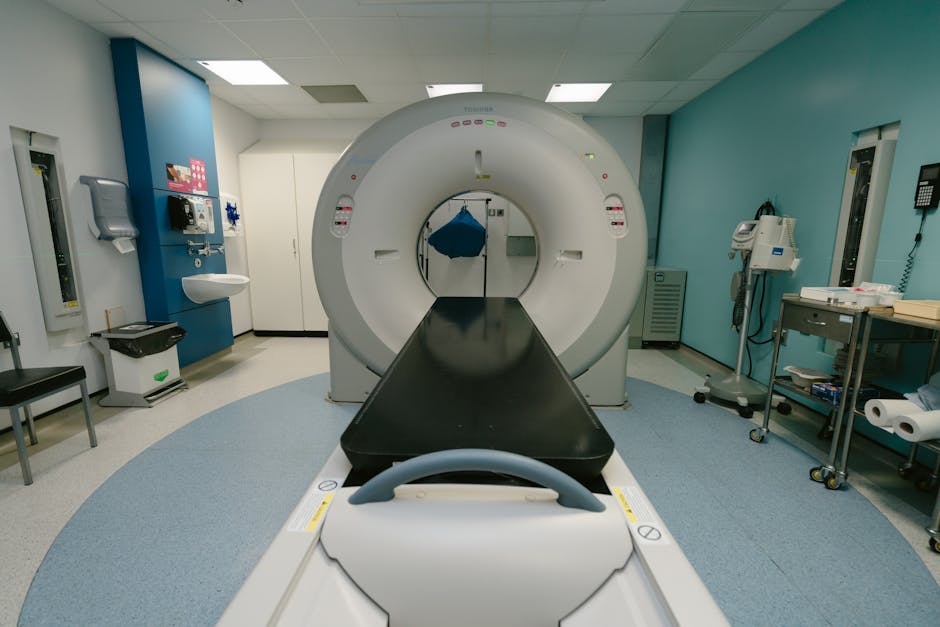 Representative image · Pexels
HealthUnconfirmed — Reported by one source so farWorth knowing
First mRNA Flu Shot Approved for Seniors
Reported by Ananya Das (Senior Writer) · Google News - Australia Health ·