The Daily Pulse
General
Kozhikode DIET Starts New Project to Help Tribal Students Overcome Learning Gaps
Reported by Abhishek Tiwari (Copy Editor) · The Hindu - National ·
Academic Support
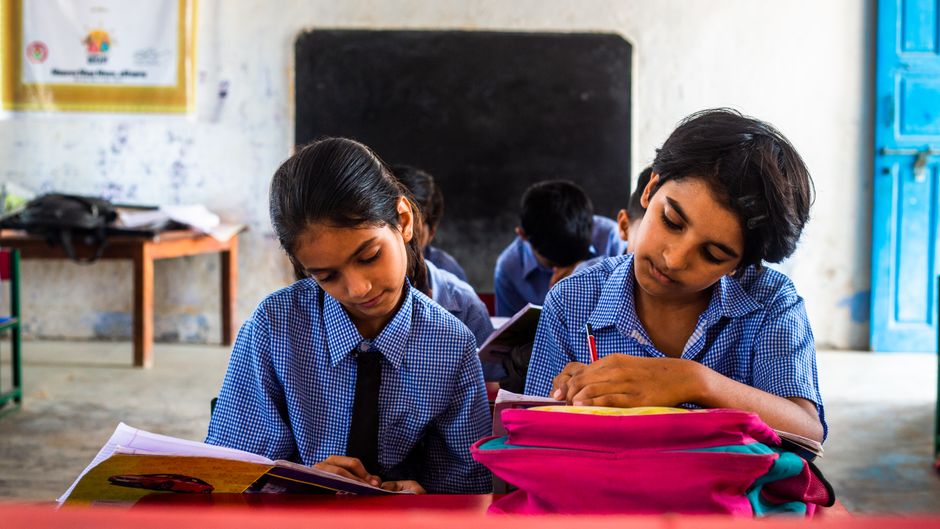
The District Institute of Education and Training in Kozhikode has rolled out a new programme named 'Munnettu' to provide complete study help to students from Scheduled Tribe communities living in pre-matric hostels. DIET Principal U.K. Abdunnasar stated that the project came after a study revealed major learning gaps, along with social and emotional struggles, among children staying in these facilities.
Hostel Challenges
Hostels in Kozhikode city, Vadakara, Eengappuzha, and Kunnamangalam house between twenty-five and fifty students each. The study found that students up to Class Seven struggle heavily with basic reading, writing, and math skills. Older students face trouble passing written exams and fall behind in core subjects like English, Math, Social Studies, and Malayalam. While tutors are present, they often lack the specific skills needed to fix these issues. Some schools even use scribes to help students pass board exams, which damages the confidence of the children.
Action Plan
Authorities are now creating and carrying out action plans to improve education quality and boost participation in non-academic activities. The first phase kicked off at the Vadakara hostel on November fourteenth, marking Children's Day with a focus on basic math and language skills. The Scheduled Tribes Development department is working together on this effort. A month-long special study plan will soon start across all district tribal hostels by training existing tutors using special learning support modules, aiming for clear improvements within the next two months.
Context
Educational support programmes in state-run residential facilities aim to bridge learning divides for children from marginalized communities. Targeted interventions of this nature help address foundational skill gaps before students reach higher classes where academic demands increase significantly.
More in General
 Photo: Wikimedia Commons
GeneralExplainerSource: The HinduWorth knowing
U.S. Court Sends Summonses to Ajit Doval and Samant Goel in Pannun Lawsuit
Reported by Kavya Rao (Senior Writer) · The Hindu - National ·