 The Daily Pulse
General
Solar Power Growth in Tamil Nadu Faces Slowdown Amid Policy and Approval Delays
Reported by Imran Qureshi (Staff Writer) · The Hindu - National ·
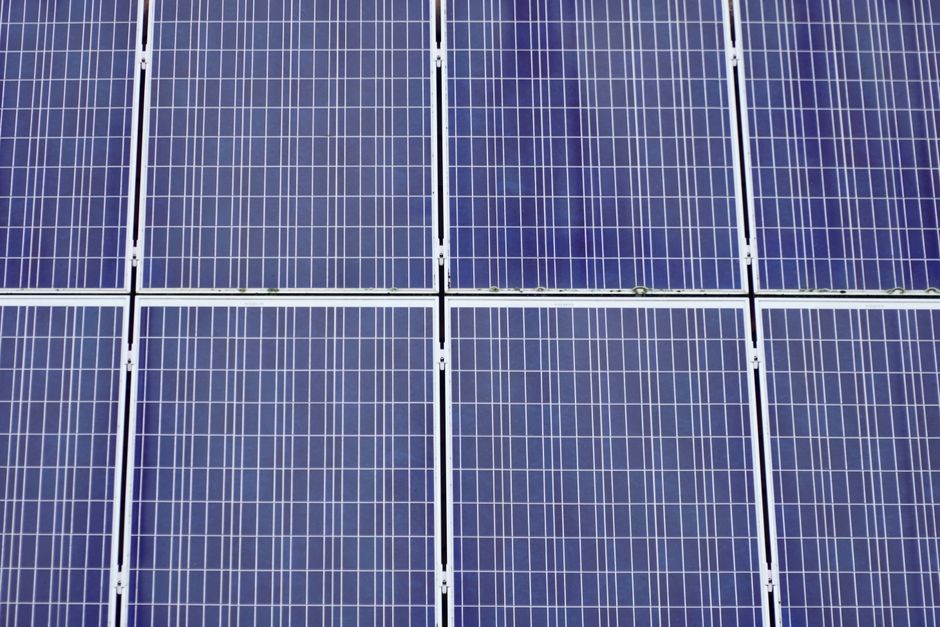
Tamil Nadu faces a possible slowdown in new solar energy installations by the year 2027 due to rising costs, approval delays, and regulatory hurdles. The State currently has an installed solar capacity between 10,000 MW and 11,000 MW.
Challenges
Solar energy investors state that the single window system for getting approvals has not worked effectively for months. Projects outside foreign direct investments need multiple permissions starting from rural local body heads, which causes long delays. Investors also point to rising costs, right of way issues for laying lines on government lands, and a need for more sub-stations. In the last one month, some generators received notices demanding 8% banking charges even though courts have stayed the State's green energy open access policy.
Policy Concerns
AD Thirumoorthy, a State Level Renewable Energy Committee Member, notes that finer details of the new Battery Energy Storage System (BESS) Policy need notification by the Tamil Nadu Electricity Regulatory Commission. While the policy waives wheeling charges for open access buyers, it restricts generators who store energy to selling only to the State utility. Starting April 2027, new projects must include BESS, which will increase expenses. L. Santhosh, president of the Tamil Nadu Electricity Consumers Association, adds that the Tamil Nadu Green Energy Corporation must ensure stored energy is evacuated within 24 hours so generators can store fresh energy the next day.
Context
Solar power development relies heavily on steady regulatory frameworks and fast approvals to attract private investment. When rules change or approval processes get stuck, project timelines slip and costs rise for developers.
ExplainerWhy this matters
What Happened
Tamil Nadu solar energy generators report that new projects may slow down significantly by 2027 due to delayed single-window approvals, new battery storage mandates, and disputes over banking charges.
Why It Matters
As India pushes for higher renewable energy targets, roadblocks in key states like Tamil Nadu can disrupt national clean energy goals. Unclear storage policies and unexpected fee notices create financial uncertainty for private investors who fund these large utility-scale projects.
What Happens Next
The Tamil Nadu Electricity Regulatory Commission needs to issue clearer guidelines on the BESS policy, while courts must resolve pending legal challenges regarding open access policies and banking charges.
More in General

GeneralSource: The HinduWorth knowing
Pilgrim Vehicle Crashes Into Truck in Rajasthan, Nine Members of One Family Killed.
Reported by Ananya Das (Senior Writer) · The Hindu - National ·

GeneralVerified — Confirmed by a second source: Indian Express - IndiaImportant
Odisha orders probe into foreign trips of former CM Naveen Patnaik and two top officers.
Reported by Kunal Bhatia (Senior Writer) · Hindustan Times - India ·

GeneralSource: Hindustan TimesWorth knowing
PM Modi Tells Uttar Pradesh Graduates Practical Skills Will Protect Jobs From AI.
Reported by Aditya Chauhan (Staff Writer) · Hindustan Times - India ·