 The Daily Pulse
Education
Odisha reform panel urges new law for computerised teacher transfers
Reported by Aditya Chauhan (Staff Writer) · Hindustan Times - Education ·
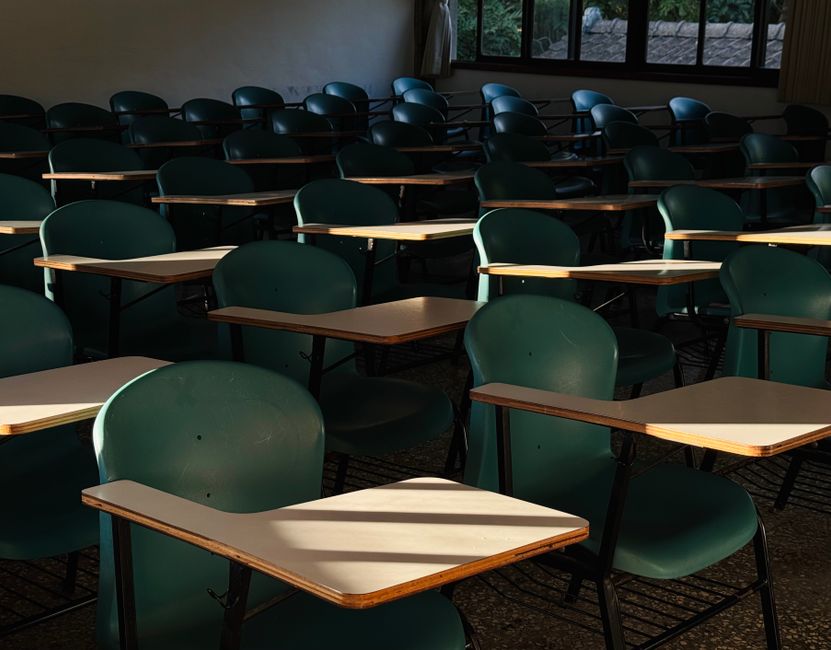
A high-powered administrative reforms panel in Odisha has recommended passing a new law to make computerised counselling compulsory for all teacher transfers. The Committee on Governance and Administrative Reforms found that current transfer rules and portals fail to stop arbitrary decisions because the process lacks legal backing. Led by former state chief secretary Jugal Kishore Mohapatra, the three-member committee noted that teachers often spend time and money seeking recommendation letters to move from remote tribal regions to urban areas. This practice leaves needy schools short-staffed and harms the education of poor children. The panel warned that departmental rules can easily be changed or suspended, but an Act passed by the state legislature would create a strong legal safeguard that allows manual bypasses to be challenged directly in the High Court.
Shortages And Ratios
This recommendation comes amid ongoing teacher shortages in tribal-dominated districts. In June this year, 648 teachers from Koraput, Malkangiri, Nabarangpur and Rayagada applied for transfers under the terminal illness quota. In Mayurbhanj, residential schools run by the Scheduled Tribes and Scheduled Castes Development department now have 46 to 50 students per teacher, exceeding the Right to Education Act norms of 30:1 and 35:1. Rayagada currently has 84 primary schools running with a single teacher, while Koraput has 119 such schools. Data from the Unified District Information System for Education Plus for 2025-26 shows Odisha has 1,458 single-teacher schools, up from 1,089 in the previous year.
Further Proposals
Dibakar Sabar, president of the Rayagada district unit of Odisha Adibasi Manch, urged the School and Mass Education department to cancel all informal deputations to urban schools. The committee also suggested that until the new law is enacted, the state should use software developed by the Odisha Computer Application Centre. Additionally, the panel recommended reserving a suitable percentage of vacancies in remote Sevashram and Ashram schools for local forest-dwelling tribal candidates. It also called for splitting the existing welfare departments into separate administrative branches for Scheduled Tribes, Scheduled Castes, OBCs and minorities, as Scheduled Tribes account for 22.85 percent and Scheduled Castes 17.12 percent of the state's population.
Context
Administrative reforms in public education systems often target remote staffing disparities to ensure equitable access to learning resources for marginalized communities. When urban migration drains rural institutions of regular teaching staff, state governments frequently turn to digital portals and statutory mandates to enforce transparent posting rules.
More from today
 Photo: Wikimedia Commons
EducationSource: Indian ExpressWorth knowing
Adapting to the Unknown: A Final-Year Mechanical Engineering Student Shares Life at IIT Gandhinagar
Reported by Ananya Das (Senior Writer) · Indian Express - Education ·
 Photo: Wikimedia Commons
WorldExplainerSource: The HinduImportant
Tankers hit in Hormuz and industrial site struck in Bahrain amid escalating conflict
Reported by Pooja Nair (Section Editor) · The Hindu - International ·
 Photo: Openverse - flickr
World• UpdatedSource: The HinduImportant
Seattle Airport Airport Detention Sparks Outrage and Delays Flight
Reported by Kunal Bhatia (Senior Writer) · The Hindu - International ·