 The Daily Pulse
General
Undersea cable and 4G plans target digital gaps in Andaman and Nicobar
Reported by Vivek Joshi (Copy Editor) · The Hindu - National ·
Confirmed by a second source: Hindustan Times - India
 Photo: Wikimedia Commons
New Undersea Network
The Centre is planning a major digital upgrade for the Andaman and Nicobar Islands through a proposed undersea cable network called the PANI Project. Union Telecommunications Secretary Amit Agrawal and Andaman and Nicobar Islands Lieutenant Governor Dinesh Sharma discussed the plans in a recent meeting, according to an official release.
Eight Islands Connected
The PANI Project will link eight specific islands using submarine optical fibre cables. These locations are Diglipur, Mayabunder, Shaheed Dweep, Chowra, Teressa, Katchal, Nancowry, and Little Nicobar. The network will start from Puri in Odisha and serve as an alternative route to the existing Chennai-Andaman and Nicobar Islands cable system. This backup route aims to keep internet services running even if the main cable suffers damage. During the talks, the Lieutenant Governor also suggested adding Dugong Creek to the plan with its own cable landing station.
4G and BharatNet Expansion
Apart from the undersea cables, officials reviewed the 4G saturation scheme under Digital Bharat Nidhi. Plans are underway to bring 4G mobile coverage to 87 uncovered villages based on their population size. The revised BharatNet Programme is also being accelerated to deliver Fibre-to-the-Home connections to 174 villages that still lack it. Out of these, 70 gram panchayats and four out of seven tribal council areas are already connected, with work planned for the remaining three tribal areas.
Context
Islands located far from the mainland often face severe communication hurdles due to difficult geography and vulnerability to weather disruptions. Submarine fibre cables and mobile saturation schemes are standard methods used by governments to bridge this digital divide and secure reliable emergency links.
More in General
 Photo: Wikimedia Commons
GeneralSource: The HinduWorth knowing
Two fake parking rings busted in Old Delhi for duping drivers with forged municipal slips
Reported by Ananya Das (Senior Writer) · The Hindu - National ·

GeneralSource: The HinduWorth knowing
Police Deploy Tight Security Across Three Districts for Upcoming Gram Panchayat Polls.
Reported by Imran Qureshi (Staff Writer) · The Hindu - National ·
GeneralVerified — Confirmed by a second source: Indian Express - IndiaImportant
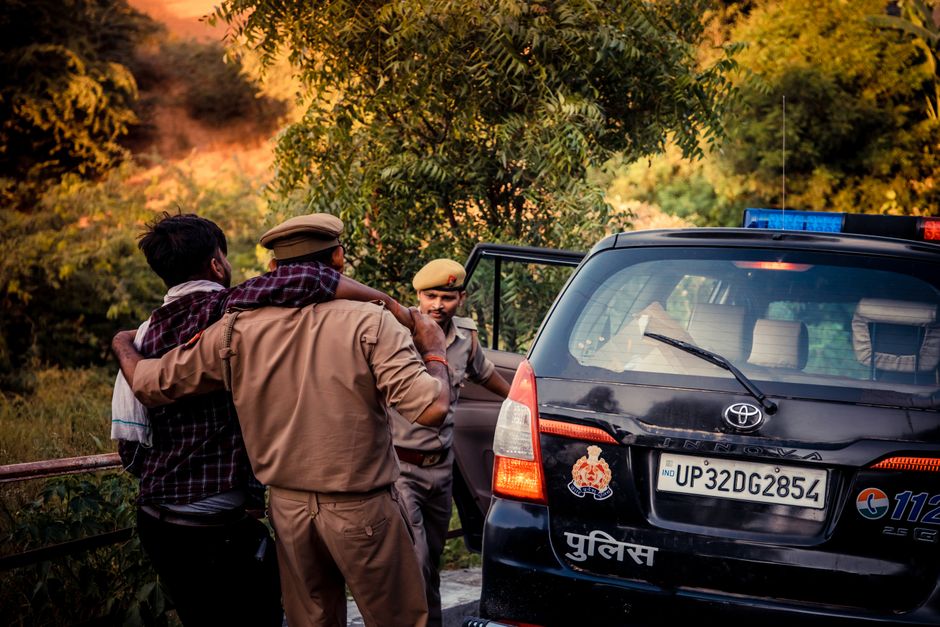
Two Rescued and Two Arrested in Bhadohi Abduction and Rape Case.
Reported by Sneha Patil (Staff Writer) · The Hindu - National ·