 The Daily Pulse
Health
Seven Essential Home Health Gadgets Doctors Recommend for Emergencies
Reported by Ishita Mukherjee (Staff Writer) · Hindustan Times - Health ·
Reported by one source so far
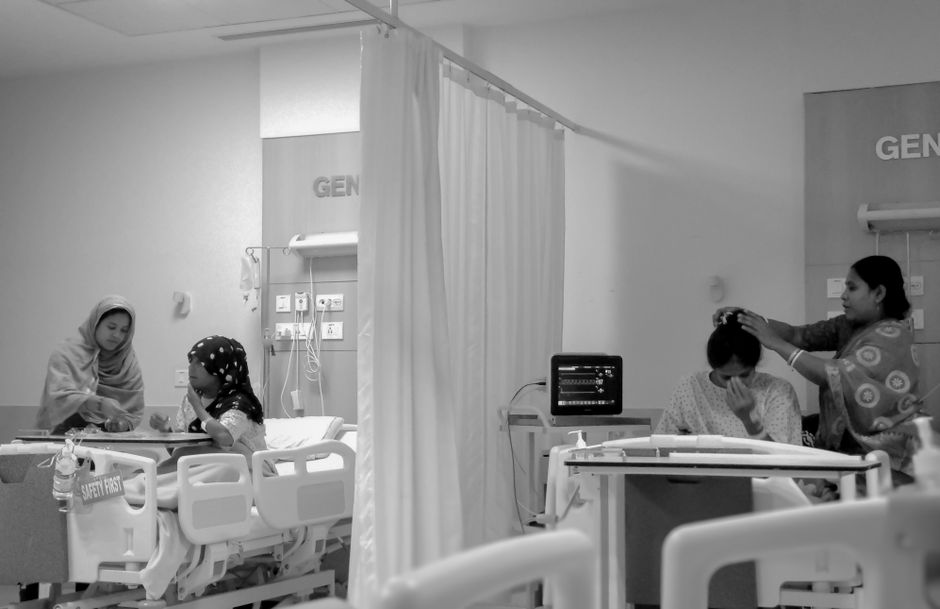 Representative image · Pexels
Dr Rajiv Agarwal, senior cardiologist at Max Smart Hospital, advises that every household keep a set of seven basic medical devices to help manage sudden health crises. An automatic upper‑arm blood pressure monitor tops the list, especially for those with hypertension or heart problems; it records both systolic and diastolic pressures as well as pulse. For a reliable reading, sit calmly for five minutes, then take two measurements a minute apart. Health bodies such as the American Heart Association suggest regular home checks for high‑blood‑pressure patients. A glucometer is next, crucial for families where someone uses insulin or drugs that can trigger low sugar. The strip gives a glucose level in seconds; values under 70 mg/dL signal hypoglycemia and need immediate treatment, as severe low sugar can be life‑threatening. A pulse oximeter measures blood‑oxygen saturation and heart rate. Normal readings hover between 95% and 100% for most people, but lower numbers combined with breathlessness should prompt urgent medical review; the device cannot alone decide if care is needed. A simple thermometer helps spot fever, a common sign of infection; keep a record of temperature together with other symptoms, and seek help if fever stays high or appears with confusion, breathing trouble, or extreme weakness. For those with heart concerns, a smartwatch with ECG capability or a portable single‑lead ECG unit can capture heart‑rhythm strips to share with a doctor, though they do not replace a full hospital ECG. Some chronic heart or lung patients may require a home oxygen system—either a concentrator that draws oxygen from air or refillable cylinders—used only as prescribed. Asthma or COPD sufferers might also keep a nebulizer for inhaled medication, following a doctor‑approved plan and without delaying emergency care. All devices work best when users know how to operate them, keep emergency numbers handy, maintain basic first‑aid knowledge, and store medicines and medical records within easy reach. Most importantly, these tools provide data, not a substitute for prompt professional evaluation.
More in Health
 Representative image · Wikimedia Commons
HealthUnconfirmed — Reported by one source so farWorth knowing
Cardiologist Explains How Late-Night Eating and Sleep Affect Heart Health
Reported by Aakash Bora (Staff Writer) · Hindustan Times - Health ·

