 The Daily Pulse
General
Delhi Police Tell Supreme Court Women Officers Are Not Mandatory for Crowd Control
Reported by Ishita Mukherjee (Staff Writer) · The Hindu - National ·
 Photo: Wikimedia Commons
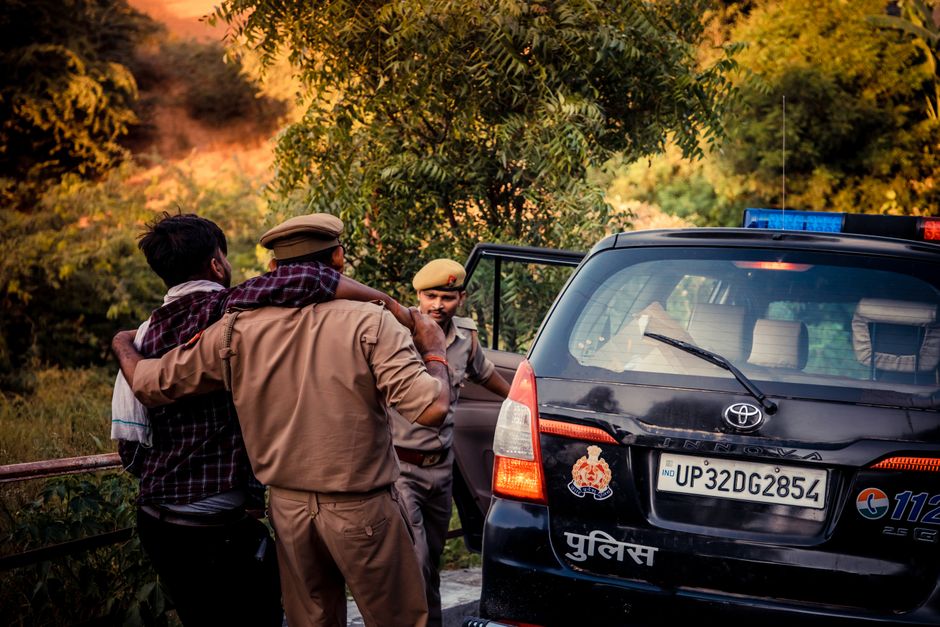
Delhi Police informed the Supreme Court that rules do not strictly require only women officers to manage women during crowd-control work. The statement came after petitions accused male police officers of manhandling women protesters and journalists during demonstrations that demanded the resignation of Chief Election Commissioner Gyanesh Kumar.
Petitioners
The Network of Women in Media, India, filed the petitions along with other groups like the Delhi Union of Journalists, Free Speech Collective and the Kerala Union of Working Journalists. Advocate Aarthi Rajan represented the Network of Women in Media, India in the legal proceedings.
Police Stand
Delhi Police argued in an affidavit that the law requires women officers for the arrest or search of women, but this rule does not apply in the same way to crowd-control operations. The affidavit stated that having women personnel handle women protesters is not a statutory mandate under the Bharatiya Nagarik Suraksha Sanhita, 2023, unlike specific rules laid down for searches and arrests.
Context
Crowd-control situations often present fast-moving challenges for security forces where mixed-gender or available units are deployed to maintain public order. Legal definitions in criminal procedure codes make clear distinctions between investigative steps like arrests and the broad operational duties involved in managing public protests.
ExplainerWhy this matters
What Happened
Delhi Police told the Supreme Court that laws requiring women officers to handle female suspects during arrests and searches do not automatically apply to general crowd control.
Why It Matters
This legal distinction defines the boundaries of police powers and official duties during public protests, balancing human rights and press freedom against the practical realities of maintaining public order.
What Happens Next
The Supreme Court will examine the petitions and the police affidavit to decide whether further guidelines or actions are necessary regarding the conduct of security personnel during demonstrations.
More in General
 Photo: Wikimedia Commons
GeneralSource: Hindustan TimesWorth knowing
Punjab Chief Minister Bhagwant Mann calls BJP and SAD reunion a thug pact
Reported by Ishita Mukherjee (Staff Writer) · Hindustan Times - India ·
General• UpdatedExplainerVerified — Confirmed by a second source: Hindustan Times - IndiaImportant
Tamil Nadu BJP chief Nainar Nagendran arrested amid strict security on Karthigai Deepam.
Reported by Faizan Khan (Staff Writer) · The Hindu - National ·
