The Daily Pulse
World
Opposition claims Sri Lankan government stopped parliament discussion on jailed Pakistani leader
Reported by Faizan Khan (Staff Writer) · The Hindu - International ·
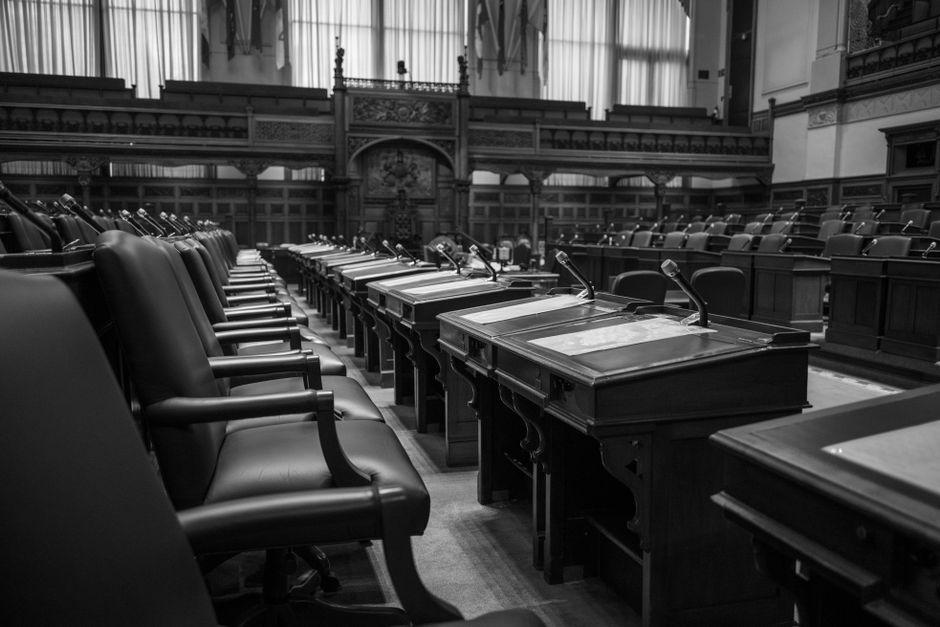
Opposition lawmakers in Sri Lanka say the government blocked a parliamentary debate on a motion to release jailed former Pakistani Prime Minister Imran Khan. The motion was moved by Samagi Jana Balawegaya MP Ajith P. Perera and was slated for an adjournment debate on 21 November 2026, but the session never took place. Perera called the pre‑emptive rejection "regrettable" and said the motion was dismissed before any discussion. Deputy Minister of Foreign Affairs Arun Hemachandra defended the decision, saying the government will not entertain matters that could create diplomatic tensions or affect ties with Sri Lanka’s bilateral partners, though he noted Perera could still voice personal views in Parliament. On 23 November 2026, SJB MP and Sri Lanka Muslim Congress leader Rauff Hakeem attacked the government for a "transactional" foreign policy, recalling Pakistan’s long‑standing friendship, its assistance during the pandemic, and Imran Khan’s role in urging the former Gotabaya Rajapaksa administration to end mandatory cremations for Muslims. Hakeem also highlighted Khan’s two‑day visit to Colombo in February 2021, which was well received by media and cricket fans. The leader further criticised the government’s stance on Palestine, saying supportive statements abroad mean little without domestic action. He noted that the ruling Janatha Vimukthi Peramuna, now leading the National People’s Power coalition since 2024, maintains ties with Israel and sends Sri Lankan workers there. Deputy Minister Hemachandra, in a May 2026 interview, said Sri Lanka separates its Free Palestine position from diplomatic relations with Israel, arguing the two can coexist.
Context
Parliamentary adjournment debates allow opposition members to raise issues quickly, but governments may block them if they fear diplomatic fallout. Sri Lanka’s close ties with Pakistan and its delicate balance on Middle‑East politics often shape such decisions.
ExplainerWhy this matters
What Happened
Opposition MP Ajith P. Perera sought a parliamentary debate on 21 November 2026 to call for the release of jailed Pakistani ex‑prime minister Imran Khan, but the government stopped the session before it began. Deputy Foreign Minister Arun Hemachandra said the move was to avoid diplomatic tension, while SJB leader Rauff Hakeem accused the ruling coalition of a transactional foreign policy.
Why It Matters
Sri Lanka’s foreign relations with Pakistan are historically friendly, and any public stance on Khan could affect bilateral aid and political goodwill. At the same time, the government’s balancing act with Israel and its declared support for Palestine creates internal pressure, especially from opposition parties that view the stance as inconsistent.
What Happens Next
The opposition may raise the issue again through other parliamentary procedures or public campaigns. Observers will watch whether the government’s diplomatic concerns lead to a formal statement on Pakistan or a shift in its Middle‑East policy, while the debate on Palestine support versus ties with Israel is likely to continue in future sessions.
More in World

WorldSource: BBC NewsImportant
Triple Killer Admits Murdering Ian Huntley in Prison.
Reported by Abhishek Tiwari (Copy Editor) · BBC News ·