The Daily Pulse
General
Dharwad Zilla Panchayat CEO urges 100% pass rate in government PU colleges
Reported by Abhishek Tiwari (Copy Editor) · The Hindu - National ·
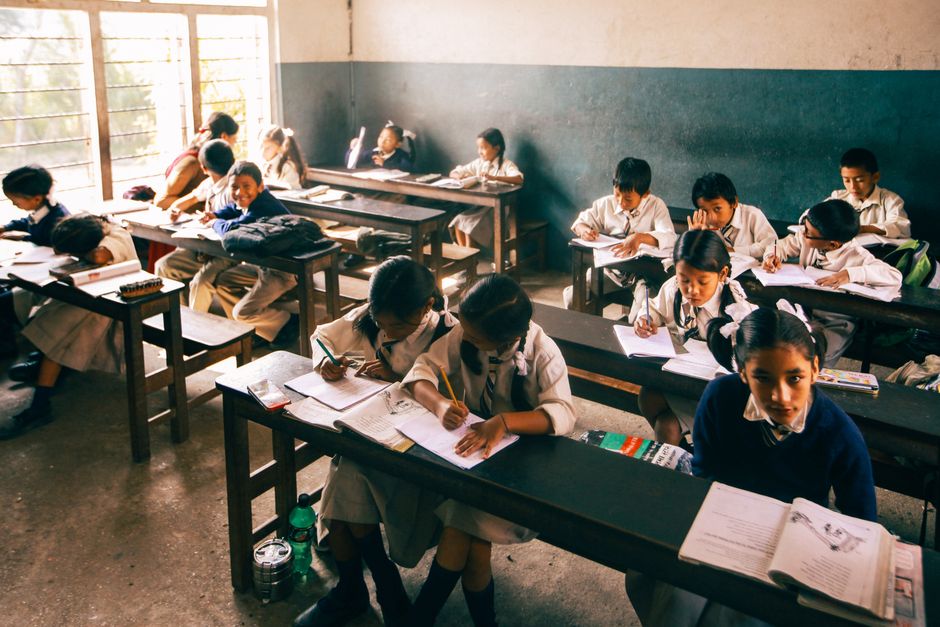
CEO Bhuvanesh Patil of the Dharwad Zilla Panchayat told principals of government, aided and unaided pre‑university colleges on Tuesday that the district must achieve a 100 % pass rate in government PU colleges. He said education should go beyond exam scores and give students skills for jobs, entrepreneurship and self‑reliance. Patil noted the district’s overall PU exam pass percentage stands at 83 % and that there is room for improvement. Under “Mission 100” every student should clear the exam, while “Mission 60” aims for all students to score above 60 %. He warned that colleges with less than 70 % pass need urgent help, naming seven government and eleven aided colleges with poor results for focused review, and said low‑performing unaided colleges will also be examined. Special attention must be given to minority, Scheduled Caste and Scheduled Tribe students, with a goal to raise minority pass rates from 29 % to between 35 % and 38 %. Patil asked for programmes to support students who switched from Kannada to English or other mediums. He stressed regular attendance, on‑time classes and discipline, directing lecturers to stick to schedules. Integrated CET‑coaching colleges must hold regular sessions and prepare students properly. Officials were tasked to collect college‑wise admission data, spot institutions with low enrolment and investigate causes. Staff shortages may be eased by moving surplus teachers to schools that need them. Deputy Director Tejaswini Narayanakar, Chief Planning Officer Deepak Madiwalar and college heads attended the meeting.
Context
The push aligns with Karnataka’s broader effort to improve pre‑university outcomes and increase skilled‑workforce participation, a key goal for state development.
More in General

General• UpdatedExplainerSource: The HinduWorth knowing
Madurai Collector Blames Temple Board for Supreme Court Order Breach on Karthigai Deepam.
Reported by Manish Reddy (Senior Writer) · The Hindu - National ·