 The Daily Pulse
Technology
China's Humanoid Robot Spending to Surge, Early Commercial Use Seen by 2027
Reported by Sneha Patil (Staff Writer) · Livemint - Technology ·
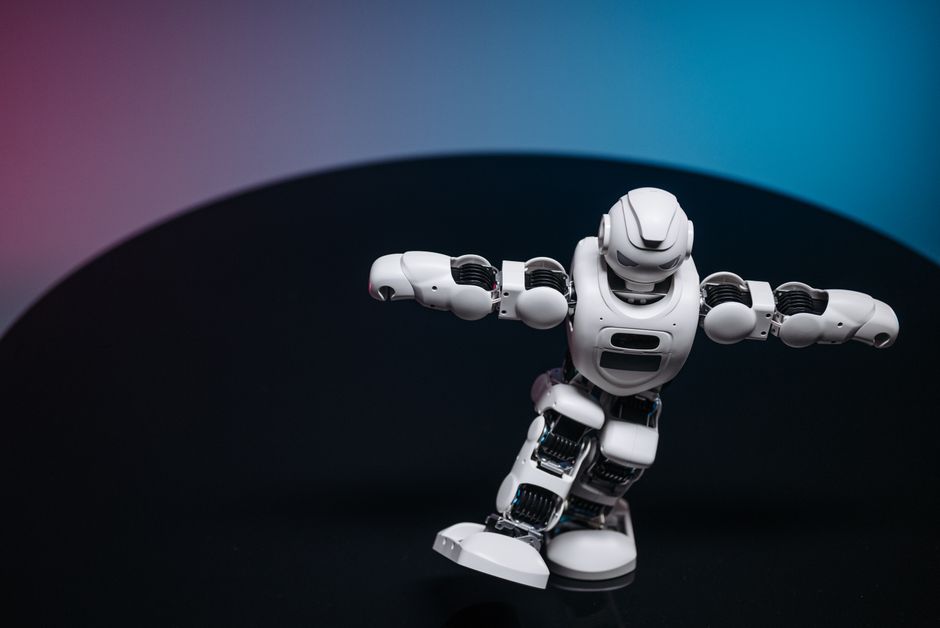
Investment in China's humanoid robot sector is set to speed up, with early commercial use expected in 2027, Morgan Stanley reports. The bank says spending on data collection, robot training and pilot deployments will rise, creating demand for cameras, sensors, robotic hands, motors and other parts. Development spending could trigger hardware orders before robots become common in factories or homes. Recent AI model upgrades have lifted a benchmark robot's success rate to 41.2 % from 19.6 % and cut its average response time by 33 %. Morgan Stanley expects this performance boost to start a cycle where better robots attract more data and training money, and field feedback helps improve models further. Small‑scale commercial use in selected tasks is projected for 2027, with repeat purchases, productive hours and cost efficiency versus human labour as key success signs. UBTECH aims to deliver about 4,000 industrial and commercial humanoids in 2026 and 1,500‑2,000 household units. Geekplus plans a first batch of roughly 300 units by late 2026 or early 2027. Manufacturers are expanding capacity, but they still face hurdles such as precision machining, equipment shortages, skilled‑labour gaps and low production yields. The gap between technical progress and commercial viability should narrow gradually, though policy support, further AI gains and clear product launches will shape near‑term growth. Sustained expansion will need proven productivity gains, affordable costs and repeat orders.
Context
Humanoid robots are machines built to look and move like people, and China sees them as a way to boost automation in manufacturing and services. Faster AI lets these robots follow instructions more reliably, which is why investors expect a jump in spending before the technology becomes mainstream.
ExplainerWhy this matters
What Happened
Morgan Stanley notes that China’s robot makers are spending more on data, training and early pilots, and AI upgrades have doubled benchmark success rates while cutting response times.
Why It Matters
Better performance makes robots cheaper to run than human workers in some tasks, prompting companies to order parts and build capacity even before large‑scale sales. This early momentum can speed up the shift toward automated factories and service roles, influencing employment and supply‑chain dynamics.
What Happens Next
If policy incentives continue and AI keeps improving, more firms will place repeat orders, pushing production yields up and costs down. Watch for announcements of larger‑scale deployments after 2027 and for government programmes that could subsidise robot adoption.
More in Technology
 Photo: Wikimedia Commons
TechnologySource: Indian ExpressWorth knowing
X Launches New Parental Controls for Teen Accounts
Reported by Kavya Rao (Senior Writer) · Indian Express - Technology ·
 Photo: Wikimedia Commons
TechnologySource: LivemintWorth knowing
Kerala Teen Known As India's AI Kid Clicks Selfie With Russian President Vladimir Putin
Reported by Harshdeep Singh (Fact-Checker) · Livemint - Technology ·

TechnologyVerified — Confirmed by a second source: Indian Express - TechnologyImportant
Croma Announces Five-Day Black Friday Sale With Discounts Up to 50 Percent.
Reported by Vivek Joshi (Copy Editor) · Livemint - Technology ·