 The Daily Pulse
Science & Environment
Simple policy tool offers organic certification for traditional Indian farms
Reported by Danish Ansari (Fact-Checker) · Mongabay India ·
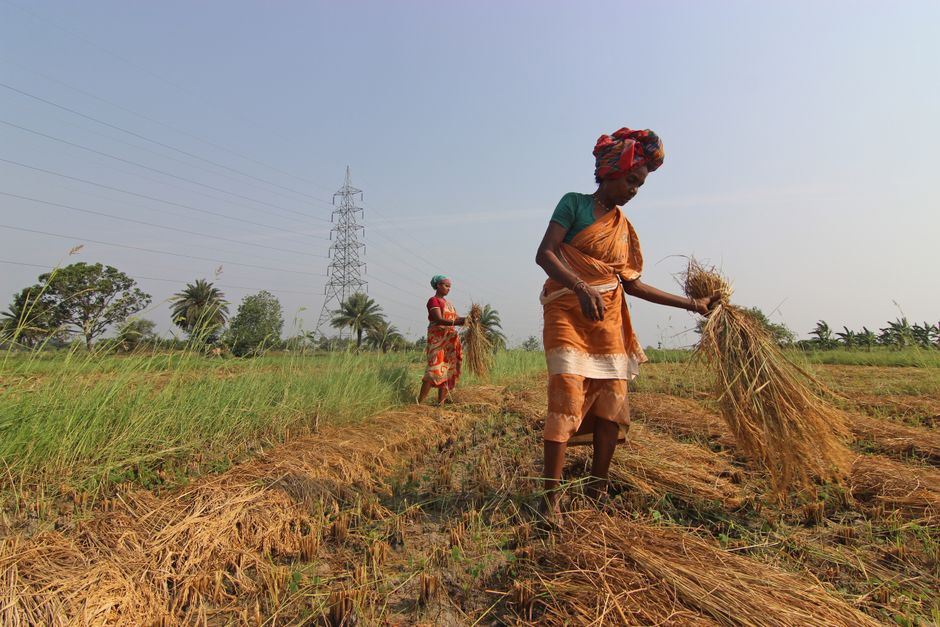
Traditional farmers in remote regions of India are missing out on organic price premiums because their naturally chemical-free land lacks formal official certification. In southern Odisha's Koraput district, a farmer named Budra grows a diverse mix of finger millet, little millet, niger seed, and local pulses on a sloping hillside without ever using synthetic fertilisers or pesticides. His farming methods match those passed down through generations, entirely without specialised organic training. While conventional farmers in places like Germany, California, and Japan spend years and thousands of dollars undergoing a mandated two- to three-year transition window to prove their soil is clean, Budra's land already meets these environmental standards by default. The global organic market is worth roughly 145 billion euros, or 160 billion dollars, annually. Almost the entire global organic trade relies on the assumption that agricultural land is chemically contaminated by default, requiring expensive third-party audits and a temporary drop in crop yields during conversion. In contrast, India's Ministry of Agriculture introduced the Large Area Certification policy instrument in 2020-21. Implemented under the Paramparagat Krishi Vikas Yojana via the Participatory Guarantee System, Large Area Certification allows the government to certify an entire contiguous, traditional farming landscape in a single administrative step rather than forcing individual smallholders to pay for isolated audits. The first major mainland trial of this policy took place in Dantewada, a district in Chhattisgarh, where the local administration worked through a Regional Council to certify 110 villages, covering about 65,000 hectares and more than 10,000 farmers.
Context
Large Area Certification bypasses the expensive conversion period by recognising historical, community-level land use where synthetic inputs were never introduced. This approach protects fragile indigenous agricultural heritage from the gradual encroachment of commercial fertilisers and herbicides before chemical farming takes root. Such policies leverage existing administrative frameworks like panchayats and community councils to secure market recognition for traditional farming regions at a fraction of standard audit costs.
ExplainerWhy this matters
What Happened
India introduced the Large Area Certification policy under existing national organic schemes to formally recognise traditional farming areas that have never used synthetic chemicals.
Why It Matters
This policy bypasses expensive, multi-year conversion audits and yield penalties, allowing indigenous and remote farming communities to access lucrative organic market premiums without changing their ancestral practices or paying third-party auditors.
What Happens Next
Policymakers and regional councils must actively map clean upland blocks and link certified clusters to state cooperatives and Farmer Producer Organisations before commercial chemical agriculture encroaches further.
More in Science & Environment
 Photo: Wikimedia Commons
Science & EnvironmentExplainerSource: The HinduWorth knowing
High Court stalls Mumbai road link until mangrove offset report filed
Reported by Kavya Rao (Senior Writer) · The Hindu - Energy and Environment ·

Science & EnvironmentExplainerSource: The HinduWorth knowing
Early‑life sugar limits cut adult cancer rates and slow ageing, UK study shows.
Reported by Ananya Das (Senior Writer) · The Hindu - Science ·
