The Daily Pulse
Science & Environment
Australia and Turkiye to Jointly Lead Upcoming COP31 Climate Summit
Reported by Imran Qureshi (Staff Writer) · The Hindu - Energy and Environment ·
Confirmed by a second source: The Hindu - Science
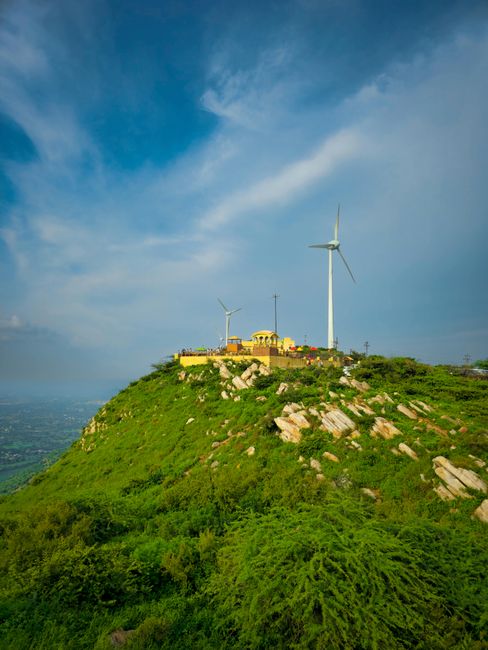
 Representative image · Wikimedia Commons
The next United Nations climate change conference, COP31, will take place in Antalya, Turkiye, in November this year. In a novel arrangement, Turkiye and Australia will share key leadership roles because both nations refused to concede their demand to host the event. Turkiye's environment minister Murat Kurum will serve as the COP31 president, while Australia's energy and climate change minister Chris Bowen will act as the vice-president to oversee negotiations. Both host countries are heavy users of fossil fuels. Australia ranks as the world's third-largest fossil fuels exporter after Russia and the United States, while domestic energy needs rely on coal, gas, and oil for roughly 90% in Australia and 80% in Turkiye. Despite this reliance, the primary goal at COP31 focuses on electrifying industry and vehicles to raise the share of final energy demand met by electricity from just over 20% today to 35% by 2035. Other stated priority themes include protecting oceans and seas, alongside zero waste and a circular economy. However, none of the current priority themes make direct reference to transitioning away from fossil fuels, nor do they include loss and damage financing or broader climate finance. This omission has drawn attention because recent events, such as catastrophic floods in Nepal on August 26, are expected to add pressure on the presidencies to include fossil fuel language and funding topics on the agenda. A pre-COP meeting scheduled in Fiji from October 5 to 8 will allow Pacific Island nations and Australia to discuss preparations and negotiation terms ahead of the main summit.
Context
United Nations climate change conferences bring together global governments annually to negotiate emission targets, funding mechanisms, and shared environmental policies. While the physical host nation typically manages logistics alone, shared presidential duties like the one between Turkiye and Australia highlight the complex political compromises often required to secure host venues for major international climate talks.
ExplainerWhy this matters
What Happened
Turkiye and Australia are jointly hosting the COP31 climate summit under a shared leadership arrangement, but their priority action agenda currently omits a direct timeline or language for transitioning away from fossil fuels.
Why It Matters
Because both host nations rely heavily on coal, gas, and oil—and Australia is a major global fossil fuel exporter—critics and participating nations are questioning the ambition of a climate summit led by fossil-fuel-reliant economies. The omission of key topics like fossil fuel phase-outs and loss-and-damage financing creates friction with developing nations and island states vulnerable to climate disasters.
What Happens Next
Participating countries can propose new agenda items right up to the negotiations, and intense diplomatic pressure is expected at upcoming preparatory talks in Fiji to see whether fossil fuel reduction language and climate finance mechanisms will be formally added to the COP31 agenda.
More in Science & Environment
 Representative image · Pexels
Science & EnvironmentVerified — Confirmed by a second source: Google News - NZ ScienceImportant
SpaceX Starship reaches Earth orbit for the first time during 14th test flight
Reported by Varun Krishnan (Senior Writer) · The Hindu - Science ·