 The Daily Pulse
General
Keralam introduces standardised cancer screening protocol for early detection
Reported by Ishita Mukherjee (Staff Writer) · The Hindu - National ·
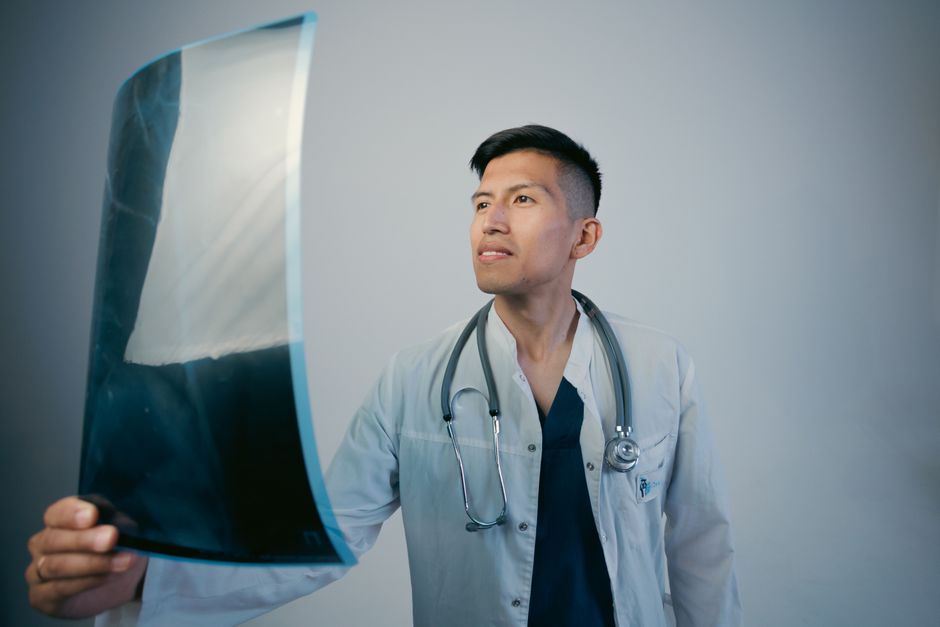
Keralam is launching a new cancer screening protocol to replace fragmented health initiatives with a single, population-based framework. Formulated under the Kerala Health System Improvement Programme, the initiative aligns fully with the Kerala Cancer Control Strategy spanning 2018 to 2030. Task force members note that early detection remains the weakest link in the State's cancer care network. Although primary care facilities and diagnostic centres are well established, many cancers are still diagnosed at advanced stages, leading to preventable health complications and financial distress. The new guidelines target four major cancers: oral cavity, breast, cervix, and colon or rectum.
Screening Details
For colorectal cancer, the protocol introduces a Faecal Immunochemical Test every two years for average-risk adults aged 45 to 65, followed by flexible sigmoidoscopy at secondary hospitals for those who test positive. Cervical cancer screening shifts to primary Human Papillomavirus DNA testing for women aged 30 to 50, allowing for home self-sampling and ten-year intervals between negative tests. Breast cancer screening uses clinical breast examination every six months for women aged 30 to 69, along with risk scoring and annual mammography for high-risk individuals starting at age 40. Oral cavity screening relies on visual examination by trained health workers every five years for adults over 30, or younger individuals with tobacco or alcohol habits.
Implementation
The framework prioritises a readiness-first approach, ensuring that staff, diagnostic tools, and treatment teams are ready before relying on digital portals and databases. Local self-governments and field staff will assist with community mobilisation, tracking, and patient navigation. K. Sureshkumar, Head of Radiation Oncology at Kottayam Government Medical College and a member of the task group, states that screening must connect directly to evaluation, care, and voluntary consent.
Context
Organised public health screening programmes aim to catch diseases before symptoms appear, which generally improves treatment success rates and lowers overall medical costs. In many health systems, structured referral pathways help bridge the gap between initial local testing and specialized hospital care.
ExplainerWhy this matters
What Happened
Keralam has rolled out a unified cancer screening protocol under the Kerala Health System Improvement Programme to standardise early detection across the State.
Why It Matters
Late-stage cancer diagnoses often result in higher mortality rates and severe financial burdens for families. By establishing clear referral pathways, home self-sampling options for HPV, and regular checks for four common cancers, the protocol aims to catch malignancies earlier when treatments are more effective and less costly.
What Happens Next
Health authorities and local self-governments will deploy field staff, central databases like the Cancer Care Suite, and multidisciplinary teams to manage patient navigation, testing, and follow-up care.
More in General

GeneralSource: The HinduWorth knowing
Kozhikode woman breaks barriers to enter Indian Foreign Service.
Reported by Faizan Khan (Staff Writer) · The Hindu - National ·
 Photo: Wikimedia Commons
GeneralSource: The HinduWorth knowing
BRS Leader KTR Claims KCR Will Return As Telangana Chief Minister In 500 Days
Reported by Faizan Khan (Staff Writer) · The Hindu - National ·

GeneralSource: The HinduWorth knowing
Devotees permitted to light lamps at Thirupparankundram hillock until December 15.
Reported by Rohit Yadav (Staff Writer) · The Hindu - National ·