 The Daily Pulse
Business
Thirty-year US Treasury bond yield climbs past 5.6 percent to reach highest level since 2002
Reported by Siddharth Deshmukh (Staff Writer) · Economic Times - Markets ·
Confirmed by a second source: CNBC - Top News
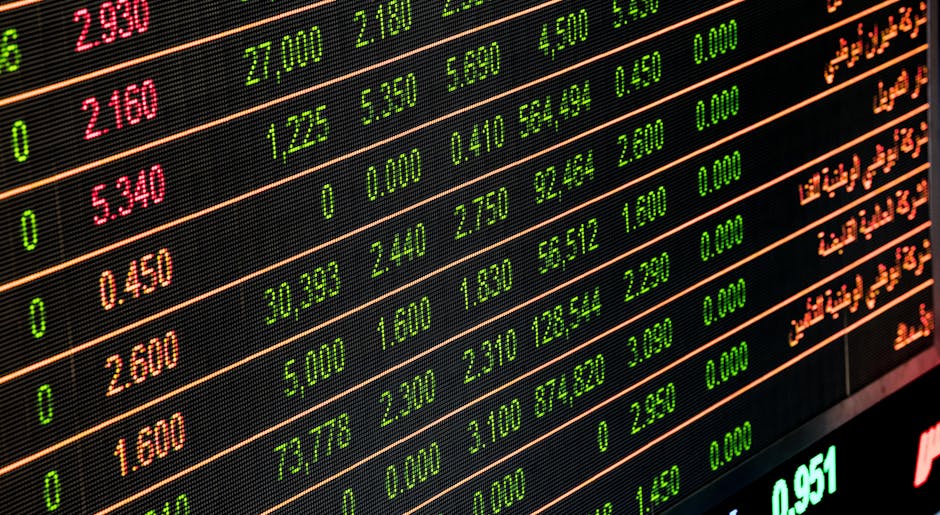
 Representative image · Pexels
The yield on the 30-year US Treasury bond has climbed above 5.6 percent, reaching its highest level since 2002. According to CNBC - Top News, the 30-year yield touched 5.61 percent and later sat around 5.585 percent. This increase is part of a large selloff in the global Treasury market, driven by worries over inflation and central bank monetary policy. Rising energy prices from the ongoing Middle East conflict are pushing up inflation, leading investors to expect more interest rate hikes from the Federal Reserve. A heavy corporate bond issuance and concerns over growing fiscal deficits and high government debt have also added pressure on the market. Traders are pricing in a more than 72 percent chance of a rate hike at the next Fed meeting in October. Meanwhile, the 10-year Treasury note yield traded at 5.253 percent, and the 2-year Treasury note yield fell to 4.891 percent.
Context
Bond yields rise when bond prices fall, which happens when investors sell off their holdings. Higher yields mean it costs more for governments and companies to borrow money, which can slow down economic growth. Central banks often raise interest rates to cool down inflation when prices rise across the economy.
ExplainerWhy this matters
What Happened
Long-term U.S. Treasury yields have spiked to their highest marks since 2002 amid a massive selloff in the global bond market, driven by inflation fears, rising energy costs, and heavy debt supply.
Why It Matters
When Treasury yields go up, borrowing costs go up everywhere. This means higher interest rates for mortgages, auto loans, and corporate debt, which can slow down consumer spending and business investments across the board.
What Happens Next
Investors will closely watch upcoming inflation data and the Federal Reserve's next meeting in October to see if the central bank decides to raise interest rates again to fight rising prices.
More in Business
 Representative image · Wikimedia Commons
BusinessExplainerUnconfirmed — Reported by one source so farImportant
National highway authority checks 17 major road projects over low bids
Reported by Tanvi Pillai (Section Editor) · Indian Express - Business ·
 Representative image · Wikimedia Commons
BusinessUnconfirmed — Reported by one source so farImportant
IT giants set October dates for FY27 Q2 results amid muted outlook
Reported by Varun Krishnan (Senior Writer) · Livemint - Markets ·
 Representative image · Pexels
BusinessUnconfirmed — Reported by one source so farImportant
Coca‑Cola is planning to file a draft prospectus in December for an IPO of its Indian bottling unit, seeking a valuation of about $10 billion and raising roughly $1 billion.
Reported by Danish Ansari (Fact-Checker) · Livemint - Markets ·