 The Daily Pulse
Business
Euro Slips to 16-Month Low as US Dollar Climbs on Rate Hike Bets
Reported by Shreya Kapoor (Senior Writer) · Livemint - Markets ·
Reported by one source so far
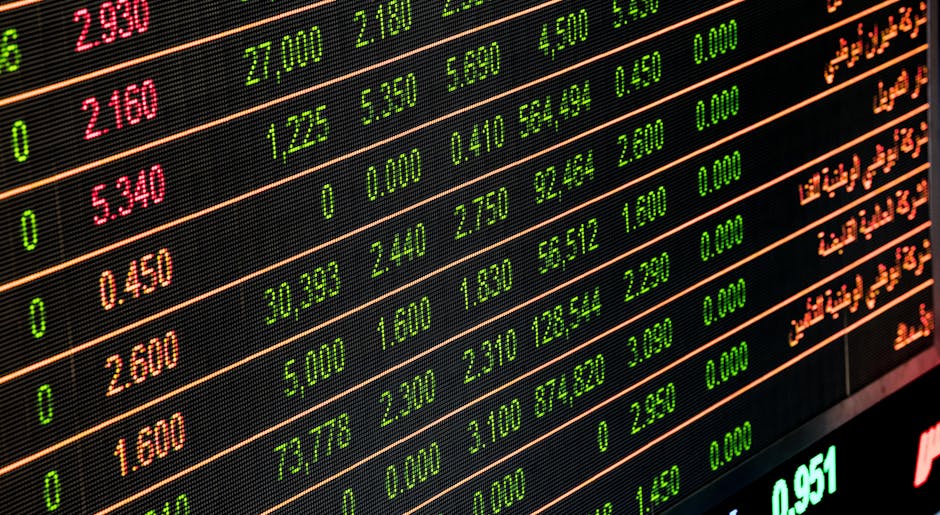
 Representative image · Pexels
Currency Drop
The euro dropped as much as 0.5 percent to $1.1312 on Tuesday, hitting its lowest level since May 2025 and heading for its worst monthly performance since July 2025. Win Thin, chief economist at Bank of Nassau 1982, noted that this movement reflects broad-based dollar strength driven by rising yields, as the US 30-year yield reached its highest point since 2002.
Market Factors
Investors expect the Federal Reserve to keep raising interest rates to fight inflation, supporting the US dollar. Many market participants believe the US economy can handle more monetary tightening than the eurozone. European Central Bank President Christine Lagarde stated on Monday that rising bond yields will slow economic growth and limit the pass-through of high energy costs to inflation, a message ING Groep NV currency strategist Francesco Pesole called a surprise dovish tilt.
Future Outlook
Options pricing points to further losses for the euro, with long-term sentiment turning the most bearish since March 2025. Morgan Stanley expects the euro to fall 3 percent against the dollar by mid-2027, while Macro Hive strategist Ben Ford sees the currency heading to $1.12. However, some analysts view the rally as stretched, with TD Securities strategist Howard Du expecting month-end rebalancing to be bearish for the dollar and the euro to consolidate higher toward $1.14.
Context
Currency values fluctuate based on relative economic strength and interest rate decisions made by central banks. When a country's central bank signals higher interest rates, its currency often attracts global investment because investors look for better returns on debt assets.
ExplainerWhy this matters
What Happened
The euro fell to a 16-month low against the US dollar as markets priced in further interest rate hikes by the Federal Reserve and contrasting central bank signals from the European Central Bank.
Why It Matters
Currency movements affect the cost of imports, exports, and inflation across global economies. A stronger US dollar makes imported goods more expensive for countries outside the United States, while a weaker euro impacts trade dynamics within the eurozone.
What Happens Next
Markets will watch upcoming inflation data, central bank announcements from both the Federal Reserve and the European Central Bank, and month-end portfolio rebalancing to see if the dollar extends its rally or if the euro recovers.
More in Business
 Representative image · Wikimedia Commons
BusinessExplainerUnconfirmed — Reported by one source so farImportant
National highway authority checks 17 major road projects over low bids
Reported by Tanvi Pillai (Section Editor) · Indian Express - Business ·
 Representative image · Wikimedia Commons
BusinessUnconfirmed — Reported by one source so farImportant
IT giants set October dates for FY27 Q2 results amid muted outlook
Reported by Varun Krishnan (Senior Writer) · Livemint - Markets ·
 Representative image · Pexels
BusinessUnconfirmed — Reported by one source so farImportant
Coca‑Cola is planning to file a draft prospectus in December for an IPO of its Indian bottling unit, seeking a valuation of about $10 billion and raising roughly $1 billion.
Reported by Danish Ansari (Fact-Checker) · Livemint - Markets ·