The Daily Pulse
Science & Environment
Unclear Submergence Records Leave Border Villages Hanging Over Polavaram Dam
Reported by Aditya Chauhan (Staff Writer) · Mongabay India ·
Reported by one source so far
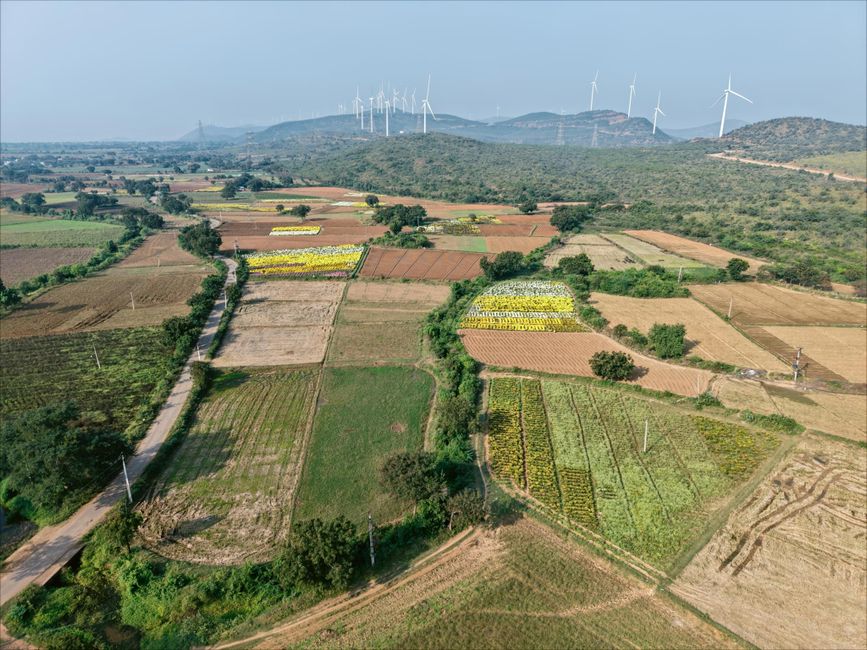 Representative image · Pexels
Manglu Dorla's house stands where the forest opens into the Sabari river in Konta, a village in the Sukma district of southern Chhattisgarh. Dorla's family has farmed the land for generations, relying on the forest for fuel, fodder, and food. Now, he and other residents fear they may be forced to abandon their homes due to the Polavaram Irrigation Project being built downstream on the Godavari river in Andhra Pradesh. Construction on the project began in 2004 following decades of interstate talks that started with a 1980 agreement. Declared a national project in 2014, it is funded by the Union government while Andhra Pradesh handles the construction. In August 2024, the Cabinet approved about 304 billion rupees to take the reservoir to its first-phase water level, and Andhra Pradesh Chief Minister N. Chandrababu Naidu pledged to complete it by 2027.
Shifting Estimates
Official estimates on how many villages face submergence have varied over the years. In December 2013, the Union government told Parliament that eight villages in Chhattisgarh would be submerged. In December 2020, the state water resources minister told the assembly that nine villages—Banjamgunda, Metaguda, Pedakisoli, Asirguda, Injaram, Fandiguda, Dhondra, Konta and Venkatpuram—were at risk, affecting about 18,510 people. A 2006 report had mentioned four villages and 11,766 people, while a local group, the Bastariya Raj Morcha, put the figure at 18 villages in September 2026. A 2025 Comptroller and Auditor General audit, tabled in March 2026, warned that backwaters could submerge 12 villages across Chhattisgarh and Odisha without protective embankments. The planned embankments along the Sabari and Sileru rivers have not been built due to legal disputes, environmental clearance rows, and stalled public hearings in Odisha and Chhattisgarh.
Reactions
Himanshu Thakkar of the South Asia Network on Dams, Rivers and People called the project a complete violation of the law and noted that its environmental clearance remains suspended. Manish Kunjam, a two-time MLA and BRM member, said indigenous Koya and Dorla communities face losing their homes, culture, and traditions. The BRM has appointed tribal leader Soyam Bhima to head a delegation assessing the affected villages. Bastar MP Mahesh Kashyap stated that survey reports from both states will be compared and taken to Parliament. Chhattisgarh Chief Minister Vishnu Deo Sai visited the area on September 28 to inspect flooding and noted the affected villages may exceed 18, while state Congress president Deepak Baij urged him to raise the issue with the Prime Minister.
Context
Large interstate river valley projects frequently trigger complex disputes over upstream backwater flooding, environmental clearances, and rehabilitation rights. When official records and local estimates do not match, affected communities often face severe anxiety about displacement long before formal rescue or resettlement plans are finalized.
ExplainerWhy this matters
What Happened
Unresolved interstate submergence risks from the Polavaram Irrigation Project have left villages in Chhattisgarh and Odisha in limbo, as backwaters threaten homes while protective embankments remain unbuilt due to legal and environmental disputes.
Why It Matters
Large infrastructure projects alter river hydrology across state boundaries, putting tribal and rural communities at risk of forced displacement and loss of livelihood without clear public consultations, updated surveys, or guaranteed resettlement support.
What Happens Next
Delegations are assessing the affected villages and political leaders plan to bring survey comparisons to Parliament, while the courts and government bodies continue to navigate stalled environmental clearances and phased water impoundment targets.