The Daily Pulse
Health
Dalit woman gives birth on Bhadohi road after hospital denies admission
Reported by Pooja Nair (Section Editor) · The Hindu - Health ·
Reported by one source so far
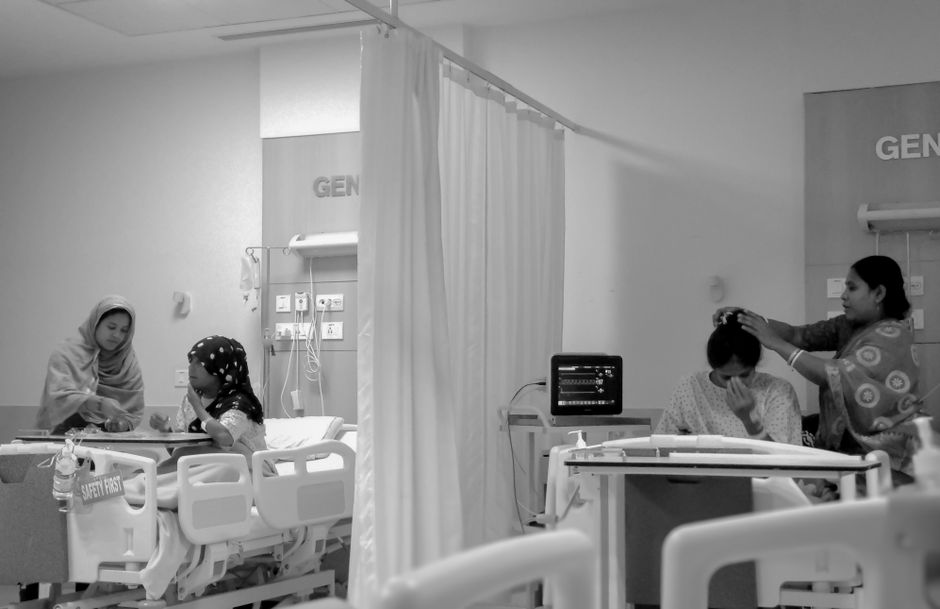
 Representative image · Pexels
A 20‑year‑old Dalit woman was forced to deliver her baby on the roadside outside Bhadohi district government hospital after staff turned her away. Rani Vanvasi went into labour on September 29 while she and her relatives were leaving the hospital gate. Her family says the staff refused admission because of her caste. Women with her used saris and a sheet to give her some privacy as she gave birth on the road. A video of the scene spread widely on October 2, sparking public anger. Opposition leaders blamed the state administration for caste‑based neglect. Sunil Singh Yadav “Sajan”, spokesperson for the Samajwadi Party, said the incident showed how untouchability still operates in government services under the current BJP‑led rule. Ajay Kumar Lallu, a senior Congress figure, called the act “cruel and unacceptable”. The hospital’s chief medical officer reported that Vanvasi’s blood‑iron level was about five grams per deciliter, indicating severe anemia. He noted that she had been slated for transfer to a better‑equipped hospital in Mirzapur, but labour began before the move. He arrived at the scene, provided immediate care and confirmed that both mother and infant are now healthy and recovering at the district hospital. He added that staff found partly negligent have been disciplined, while other accusations were dismissed as false.
Context
Caste discrimination continues to surface in public services across parts of India, especially in health care, prompting calls for stricter oversight and enforcement of anti‑discrimination laws.
ExplainerWhy this matters
What Happened
Rani Vanvasi, a 20‑year‑old Dalit woman, was denied a bed at Bhadohi district hospital and ended up delivering her baby on the road on September 29 after a video of the incident went viral.
Why It Matters
The case highlights ongoing caste‑based bias in public health facilities, raising questions about equality of care and prompting political criticism of the state government’s handling of discrimination. It also puts pressure on health officials to ensure vulnerable patients receive timely treatment, especially when severe conditions like anemia are present.
What Happens Next
The hospital says disciplinary action has been taken against the staff involved, and an inquiry is expected to examine the admission procedures. Rights groups may file legal complaints, and the state could face demands for stronger anti‑untouchability enforcement in medical services.
More in Health
 Representative image · Wikimedia Commons
HealthExplainerUnconfirmed — Reported by one source so farWorth knowing
India records over three thousand child leprosy cases as transmission goals face hurdles
Reported by Deepak Mishra (Copy Editor) · The Hindu - Health ·