The Daily Pulse
Health
Do most heart attacks happen in the morning?
Reported by Harshdeep Singh (Fact-Checker) · Indian Express - Health ·
Reported by one source so far
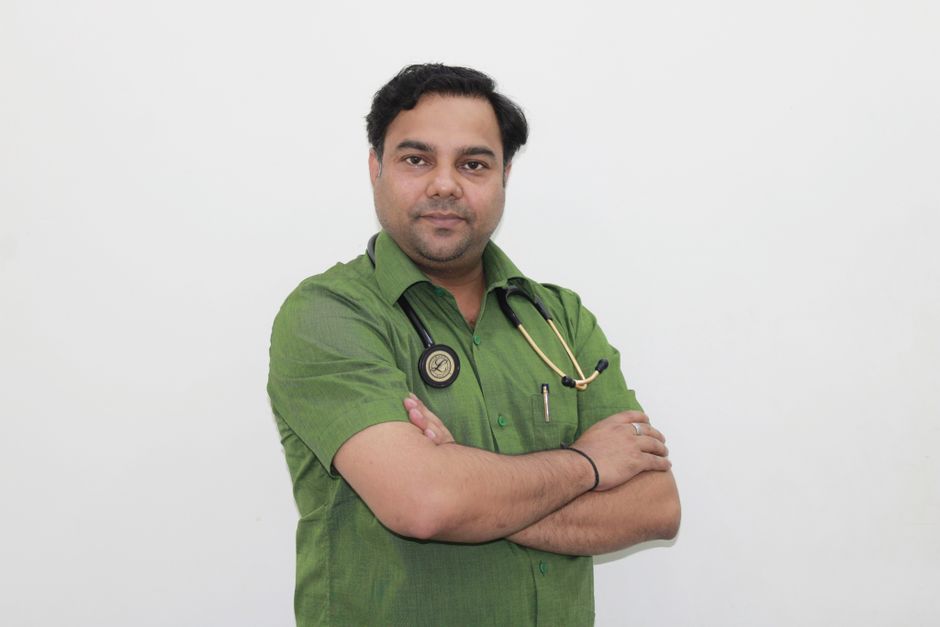
 Representative image · Pexels
Medical experts clarify that while heart attacks do happen more often in the morning, the risk window is wider than a common social media claim suggests. A viral post recently claimed that most heart attacks happen strictly between 6 am and 8 am.
Morning Peak
Research points to a broader time frame for increased risk. Past studies show that heart attacks happen more frequently between 6 am and noon rather than just in that two-hour window. A recent observational study found that 31.6 percent of acute myocardial infarctions take place during this morning period.
Body Changes
This morning pattern happens because of normal body changes when a person wakes up. These changes include higher sympathetic nervous system activity, increased blood pressure, a faster heart rate, and changes in blood clotting. These shifts put extra stress on the heart for people who already have hidden health risks. However, doctors warn that nobody is completely safe from a heart attack at other times of the day.
Risk Factors
Doctors advise looking at overall heart health instead of worrying about one specific dangerous hour. Key risk factors include high blood pressure, high cholesterol, diabetes, smoking, obesity, lack of exercise, and a family history of early heart disease. Managing these risks over time is more important than just being careful during a certain part of the day.
Warning Signs
Common signs of a heart attack include chest pressure or discomfort, pain that spreads to the arm, back, neck, or jaw, breathlessness, cold sweating, nausea, unusual tiredness, and light-headedness. These signs mean a person needs urgent medical help. On the other hand, signs of a sudden cardiac arrest are different, involving sudden collapse, unresponsiveness, and no normal breathing or only gasping. If someone collapses without normal breathing, immediate CPR and an automated external defibrillator can save a life.
Context
Heart attacks are a major health concern globally, and understanding daily risk patterns helps doctors guide patients better. Medical professionals regularly study how daily body rhythms interact with underlying health conditions to cause emergencies. Knowing the difference between heart attack symptoms and cardiac arrest signs ensures people can take life-saving action quickly.
More in Health
 Representative image · Wikimedia Commons
Health• UpdatedExplainerUnconfirmed — Reported by one source so farWorth knowing
Conflicting data on rabies deaths creates tracking hurdles for India
Reported by Varun Krishnan (Senior Writer) · The Hindu - Health ·