 The Daily Pulse
General
Supreme Court Dismisses Plea for Rotating SC and ST Reserved Seats in Parliament and Assemblies
Reported by Kavya Rao (Senior Writer) · The Hindu - National ·
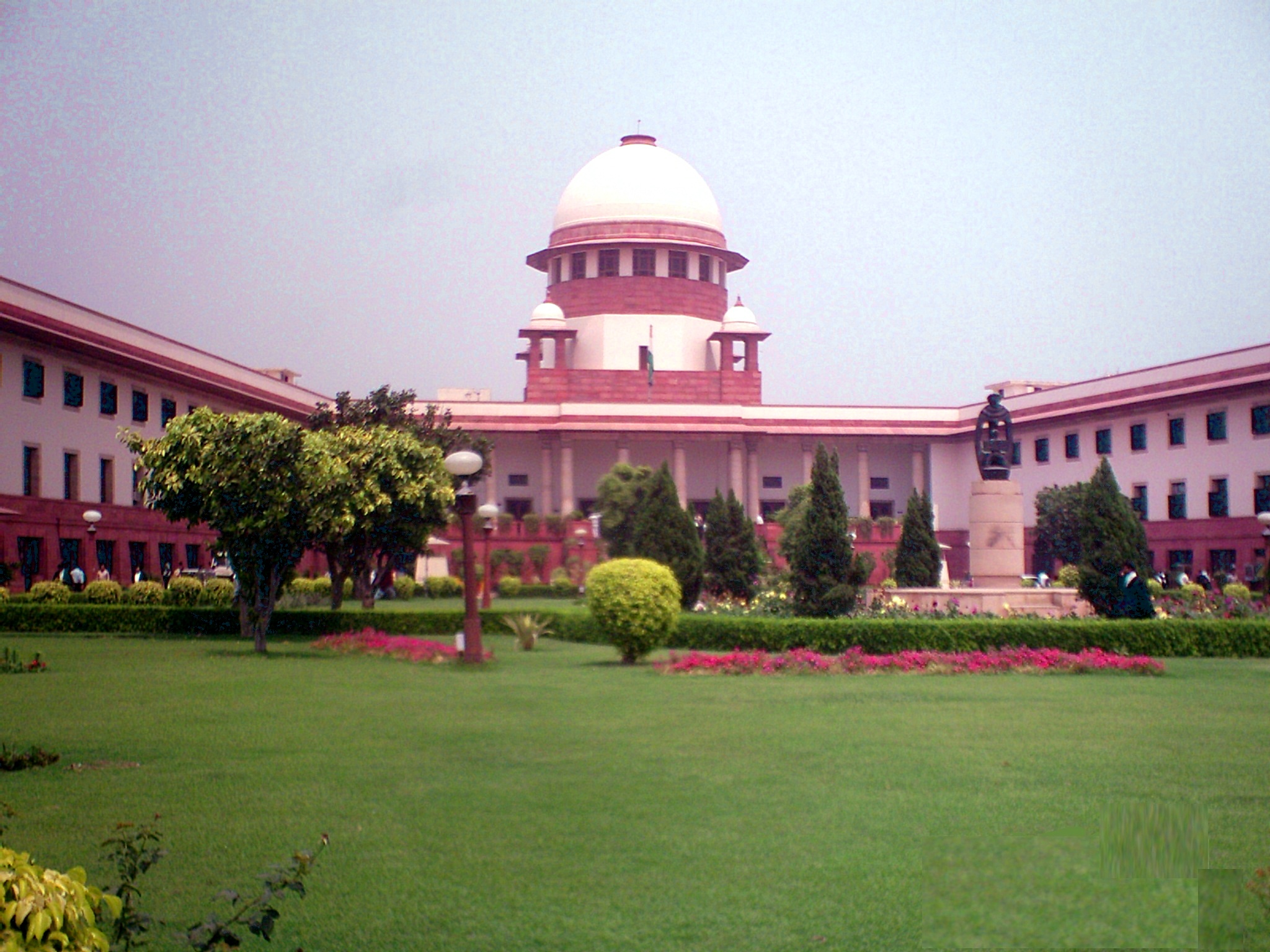 Photo: Openverse - wikimedia
The top court on Wednesday dismissed a petition asking for mandatory rotation of seats reserved for Scheduled Castes and Scheduled Tribes in Parliament and state assemblies. Chief Justice Surya Kant led the Bench that turned down the plea, stating that making such policy changes is the job of the legislature rather than the judiciary.
Background
The case was brought by Jagdish Singh, a voter from the Kadipur assembly seat in Sultanpur district of Uttar Pradesh. He argued that his constituency had stayed reserved for nearly seventy years and that lacking a rotation system hurt voter choices and went against Articles 14, 15, and 19 of the Constitution. He wanted a rule like the one used for local bodies and panchayats under Articles 243D and 243T, and claimed the current setup helped only a few political families.
Court Observations
During the hearing, Justice Joymalya Bagchi pointed out that voters in a democracy choose parties and political views rather than the caste or religion of a candidate. The Bench also noted that voters can pick different ideologies, and separated the right to vote from any claim to run for office in a specific area since general category candidates can still contest open seats. The Chief Justice told the petitioner to take the matter to Parliament or use public protests, while noting that the court saw no reason to change the Allahabad High Court ruling which had upheld Section 9(1)(c) of the Delimitation Act, 2002.
Context
Reserved constituencies ensure that marginalized communities get political representation in legislative bodies. The Delimitation Act guides how these boundaries and reserves are set up across the country based on population numbers.
ExplainerWhy this matters
What Happened
A Supreme Court Bench headed by Chief Justice Surya Kant rejected a petition that sought a mandatory rotation system for Scheduled Caste and Scheduled Tribe reserved seats in Parliament and state assemblies, upholding an earlier Allahabad High Court order.
Why It Matters
This ruling maintains the current legal framework where reserved seats do not rotate automatically after every delimitation exercise, unlike local municipal and panchayat bodies. It clarifies the boundary between judicial review and legislative policy-making, confirming that courts will not force lawmakers to adopt a specific election rule.
What Happens Next
Advocates of seat rotation will need to lobby members of Parliament or push for legislative amendments if they want to change how reserved constituencies are allocated in future delimitation processes.
More in General
 Photo: Wikimedia Commons
GeneralSource: The HinduWorth knowing
Union Minister promises all help to cyclone-hit farmers in Andhra Pradesh
Reported by Arjun Sethi (Fact-Checker) · The Hindu - National ·

