The Daily Pulse
General
High Court rejects Margadarsi's challenge to ₹81.12 lakh electricity cross‑subsidy demand
Reported by Neha Sharma (Staff Writer) · The Hindu - National ·
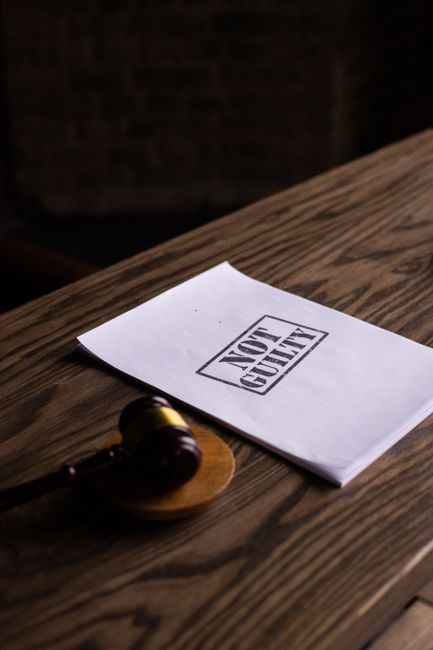
Telangana High Court has thrown out a writ petition by M/s Margadarsi Chit Fund Private Limited that contested ₹81.12 lakh cross‑subsidy demand from Southern Power Distribution Company Limited for the 2005‑06 to 2014‑15 fiscal years. Justice Nagesh Bheemapaka ruled the chit fund failed to prove any ground to interfere with the notices. He noted that any consumer seeking relief must prove its generator holds a valid state consent under section 43‑A(1)(C) of the Electricity Act‑1948. The company’s reliance on Government Orders 93 of 1997 and 112 of 1998 as consent was rejected. Margadarsi asked for time to produce the required consent but could not furnish it, leading to the dismissal. The order was issued on November 5, 2026, and the court’s reasoning underscores the strict interpretation of statutory exemptions. The ruling may prompt other large consumers to review their consent documents before filing similar challenges. ## Context Cross‑subsidy charges are levied on certain electricity users to offset lower tariffs granted to others, such as agricultural consumers. The Electricity Act allows exemptions when a generator obtains explicit state approval, a step the court said was missing. The decision reinforces the procedural requirement for documented consent before any exemption can be granted.
ExplainerWhy this matters
What Happened
The Telangana High Court rejected a petition by Margadarsi Chit Fund seeking relief from ₹81.12 lakh cross‑subsidy charges demanded by Southern Power Distribution for the 2005‑06 to 2014‑15 years.
Why It Matters
Cross‑subsidy charges help fund cheaper electricity for priority groups; exemptions are only granted when a generator has a state‑issued consent as defined in the Electricity Act. The court’s refusal highlights that citing old government orders does not satisfy the statutory requirement, reinforcing legal certainty for utilities.
What Happens Next
Margadarsi may consider filing an appeal, but any further challenge must first produce the specific consent under section 43‑A(1)(C). Other large consumers are likely to verify their consent status before pursuing similar legal routes.
More in General
 Photo: Wikimedia Commons
GeneralSource: The HinduWorth knowing
Railway officials set up digital life certificate and health camps for pensioners in Vijayawada
Reported by Varun Krishnan (Senior Writer) · The Hindu - National ·