 The Daily Pulse
Science & Environment
Teesta Flood Survivors Live in Limbo Three Years After Disaster
Reported by Varun Krishnan (Senior Writer) · Mongabay India ·
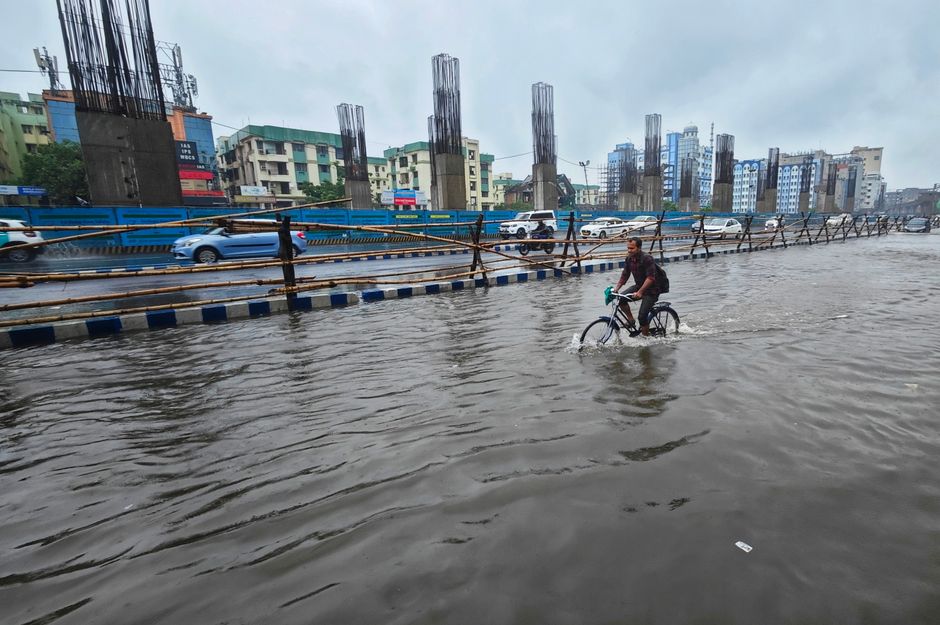
Nearly three years after a glacial lake outburst flood surged through the Teesta river, displaced families continue to live in temporary relief camps and makeshift shelters in West Bengal's Kalimpong district. The October 2023 disaster, caused by a breach of the South Lhonak Lake in Sikkim, impacted 80,000 people and swept 270 million cubic metres of sediment downstream, raising the Teesta riverbed between six and 14 metres in Kalimpong.
Living Conditions
Displaced residents currently occupy a makeshift camp inside an unfinished Haat Ghar building in Gafur Busty and forest land at Labar Bhotay near NH10. These shelters lack cement walls and consist of plastic sheets, bamboo, and tin, where families share washrooms and face threats from rain, rats, snakes, and falling branches. Many survivors who lost land and homes have transitioned to daily-wage labour, noting that their social standing and independence eroded along with their property.
Recovery and Mitigation
Experts attribute the worsening vulnerability of the terrain to decades of erosion driven by road construction, agriculture, settlement expansion, and damming. Praful Rao of the Kalimpong-based organisation Save The Hills pointed out that mitigation work must occur during the winter dry season rather than during the monsoon. Meanwhile, West Bengal Chief Minister Suvendu Adhikari announced the launch of the Arjun Vahini disaster response squad and distributed land pattas and cash worth ₹3 lakhs to 73 families affected by the 2024 and 2025 floods. A re-survey completed in September 2026 identified 116 houses to be built, but the project remains stalled awaiting sanction from the state finance department.
Context
Glacial lake outburst floods happen when water rapidly drains from a glacial lake due to the failure of a natural dam, often triggered by melting ice or heavy rain. Because these disasters cross administrative boundaries between states like Sikkim and West Bengal, experts emphasize that integrated monitoring, data sharing, and timely early-warning systems are vital to protect downstream communities.
ExplainerWhy this matters
What Happened
The 2023 Teesta river flood occurred when the South Lhonak Lake in Sikkim breached, sending a massive wall of water and debris downstream into West Bengal. The disaster destroyed homes, altered river morphology, and left hundreds of families displaced in makeshift camps.
Why It Matters
This disaster highlights the extreme vulnerability of Himalayan communities to climate-driven glacial lake outburst floods. Unregulated infrastructure development, delayed early-warning installations, and political hurdles between local administrative bodies severely hamper effective disaster management and rehabilitation, leaving survivors stranded for years without permanent housing or livelihood security.
What Happens Next
Displaced residents await state financial sanctions to build permanent homes following recent re-surveys. Meanwhile, experts and local groups continue to push for cross-state data sharing, better dry-season mitigation work, and reliable early-warning systems ahead of future monsoons.
More in Science & Environment
 Photo: Wikimedia Commons
Science & EnvironmentSource: The HinduWorth knowing
Aaditya Thackeray Urges Centre and States to Form GST-Style Climate Councils
Reported by Manish Reddy (Senior Writer) · The Hindu - Energy and Environment ·

