 The Daily Pulse
General
RGCB Secures ₹7 Crore to Build Blood‑Test Device for Early Cervical Cancer Detection
Reported by Faizan Khan (Staff Writer) · The Hindu - National ·
Reported by one source so far
What Happened
Researchers at the Rajiv Gandhi Centre for Biotechnology (RGCB) in Thiruvananthapuram have been awarded a ₹7 crore grant to create an automated device that detects early signs of cervical cancer from a blood sample. The project is part of the MAHA MedTech Mission, launched by the Anusandhan National Research Foundation, the Indian Council of Medical Research and the Gates Foundation, and is being carried out with start‑up IndZita Biotech Private Limited and Karkinos Healthcare Private Limited.
Reaction
Beena Pillai, Director of RGCB, said over a thousand proposals were examined and RGCB’s was one of only 33 chosen, making the team proud. Lead researcher Jackson James explained that the device will look for piRNA‑based biomarkers using nanopore technology and will work without specialist skills – a patient simply provides a blood sample and the machine analyses it automatically.
Context
Cervical cancer remains a major health issue in India, but screening is limited in many areas due to a shortage of trained staff and labs. A simple blood‑based test could bring early detection to underserved communities, helping to catch the disease before it becomes invasive.
ExplainerWhy this matters
What Happened
RGCB secured a ₹7 crore grant to develop a blood‑test device that uses nanopore technology to spot piRNA markers linked to early cervical cancer.
Why It Matters
Cervical cancer kills many women in India, yet most women cannot access regular screening because labs and trained staff are scarce, especially in rural areas. A portable, automated test that only needs a drop of blood could bring early diagnosis to places without sophisticated labs, enabling treatment before the disease spreads.
What Happens Next
The team is now building an early‑stage prototype and will move from laboratory validation in cell cultures and mouse models to larger human trials. Success will depend on proving the device’s accuracy in real‑world settings and obtaining regulatory clearance before it can be rolled out to clinics and community health centers.
More in General
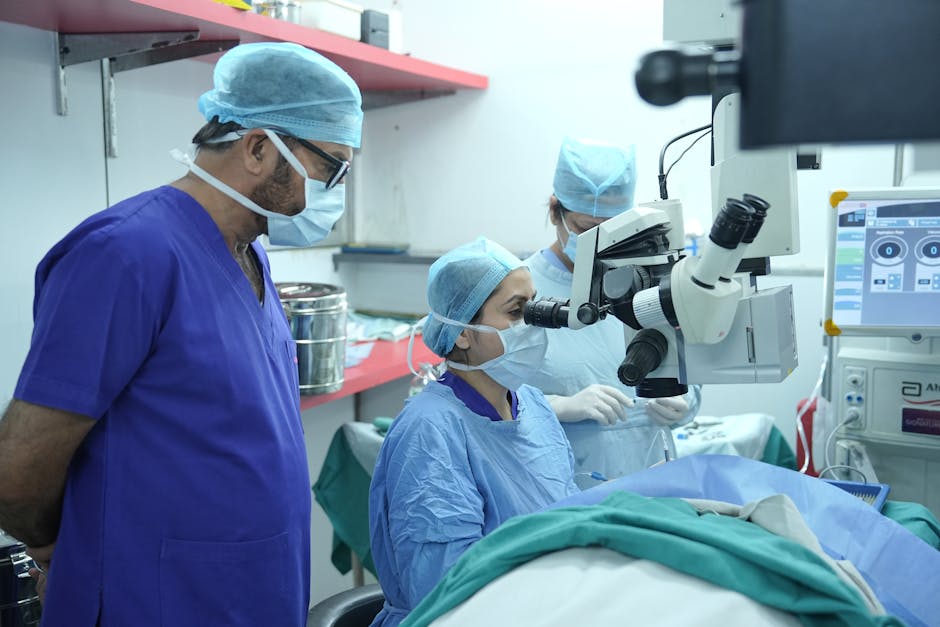
 Photo: Wikimedia Commons
GeneralUnconfirmed — Reported by one source so farWorth knowing
AIADMK Leader Palaniswami Confident Party Will Return To Power
Reported by Aakash Bora (Staff Writer) · The Hindu - National ·

