 The Daily Pulse
World• Updated
Starlink row puts focus on India's heavy reliance on foreign tech infrastructure
Reported by Aditya Chauhan (Staff Writer) · The Hindu - International ·
Reported by one source so far
 Photo: Wikimedia Commons
UPDATE - follow-up to 'Musk punishes Ukraine: how exposed is India to foreign tech? | Explained': Elon Musk recently restricted the military-grade Starshield network provided by SpaceX to Ukraine following attacks on Russian oil infrastructure. This action highlights the risks for other nations using foreign technology, including India, where the government and industry have resisted Starlink's entry so far.
Satellite and Cloud Risks
The Indian government has licensed Starlink, Eutelsat OneWeb's Indian subsidiary, and Jio Satellite Communications for satellite communications, but none had received security clearance for commercial broadband by October 16. While India relies mostly on terrestrial networks and ISRO's communication satellites, its position is weak in satellite navigation. Minister of State for the Department of Space Jitendra Singh stated in Parliament on July 29 that only three NavIC satellites currently provide positioning, navigation, and timing signals, falling short of the four required for standalone service. In cloud computing, Gartner forecasts Indian spending to reach $17.5 billion in 2026 across AWS, Microsoft Azure, and Google Cloud. Although the National Informatics Centre operates MeghRaj, and AWS partnered with Yotta for MeghRaj 2.0, foreign management dependencies remain.
Software and Payments
Open-source software adoption includes the Linux-based Bharat Operating System Solutions developed by the Centre for Development of Advanced Computing. A defective update by U.S. firm CrowdStrike previously disrupted Windows computers worldwide, including Indian airlines and airports. In payments, the National Payments Corporation of India runs the Unified Payments Interface, providing independence from Visa and Mastercard, though consumer apps like Google Pay are foreign-controlled. Historic sanctions, such as U.S. restrictions after 1998 nuclear tests that blocked helicopter engine deliveries to Hindustan Aeronautics Ltd., show how foreign political decisions can disrupt procurement. SIPRI noted India was the world's second-largest arms importer from 2021 to 2025, with Russia supplying 40% alongside imports from France, Israel, and the U.S.
Context
Heavy reliance on foreign-controlled technology leaves critical national infrastructure vulnerable to external political pressures, corporate retaliations, or technical failures originating abroad. Countries therefore strive for homegrown alternatives across satellite navigation, cloud computing, and defence supplies to secure long-term strategic independence.
What changed since yesterday
- Musk’s Starshield throttling highlights India’s reliance on foreign satellite and cloud services
Latest
Starlink row puts focus on India's heavy reliance on foreign tech infrastructure
ExplainerWhy this matters
What Happened
Elon Musk restricted Starlink's military variant in Ukraine, bringing renewed global attention to how foreign technology providers can cut off critical services during geopolitical conflicts. India faces similar exposures across satellite communications, cloud infrastructure, and defense imports.
Why It Matters
When critical infrastructure depends on foreign operators or external software updates, domestic systems remain vulnerable to unilateral corporate decisions, foreign government sanctions, or technical glitches originating overseas. This creates strategic risks for national security, public administration, and economic continuity.
What Happens Next
India continues to face strong incentives to develop homegrown alternatives, accelerate indigenous satellite navigation like NavIC, expand domestic cloud capabilities, and increase adoption of open-source software to reduce external dependencies.
More in World
WorldExplainerUnconfirmed — Reported by one source so farImportant
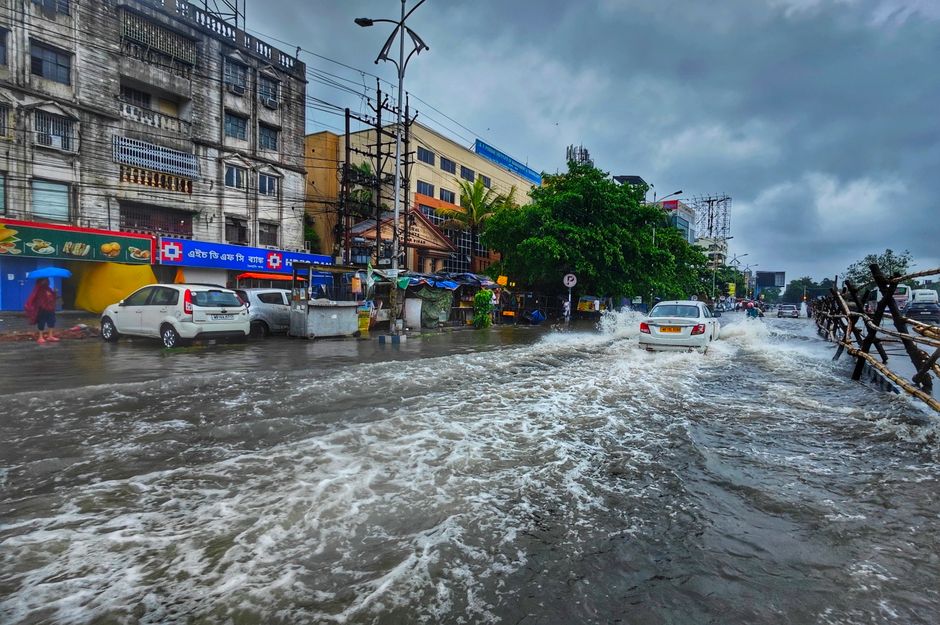
UN Climate Fund Grants $20 Million to Nepal for August Flood Recovery.
Reported by Tanvi Pillai (Section Editor) · The Hindu - International ·
 Photo: Wikimedia Commons
WorldUnconfirmed — Reported by one source so farImportant
Myanmar's former leader Aung San Suu Kyi speaks with her son in first phone call since coup
Reported by Danish Ansari (Fact-Checker) · The Hindu - International ·
World• UpdatedExplainerVerified — Confirmed by a second source: New York Times - WorldMajor
French government blocks weekend rallies and steps up police presence.
Reported by Aakash Bora (Staff Writer) · The Hindu - International ·