The Daily Pulse
General
Congress questions government on malnutrition and anaemia rates across the country
Reported by Kunal Bhatia (Senior Writer) · The Hindu - National ·
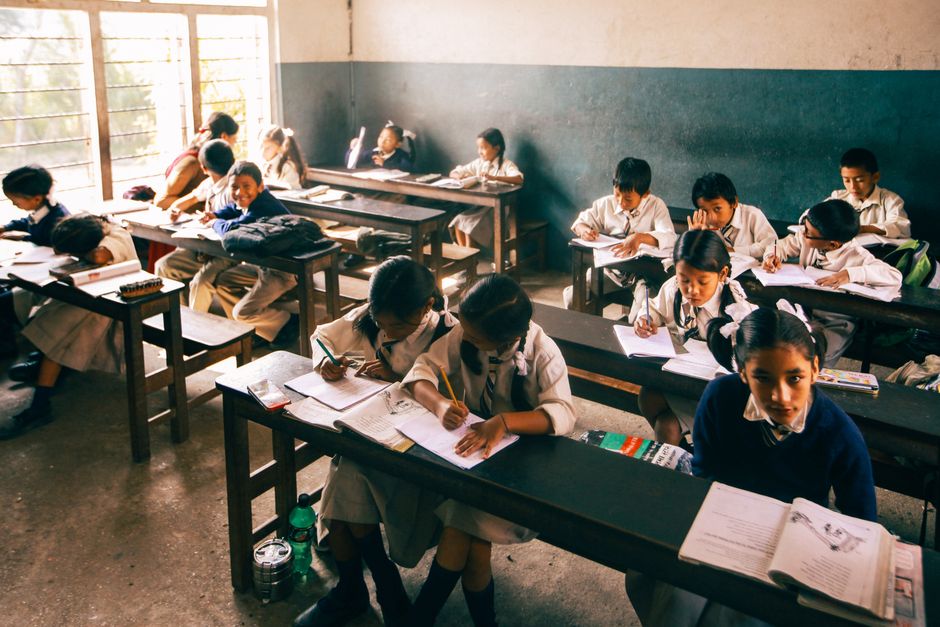
 Photo: Wikimedia Commons
Congress president Mallikarjun Kharge and party leader Jairam Ramesh have questioned the central government over a new report on malnutrition and anaemia in India.
Findings
The ICMR-SAMPADA survey, conducted during 2023 to 2025 across 183 districts, reveals that 55.9% of women of reproductive age are anaemic. Nearly two-thirds of adolescent girls and boys lack adequate Vitamin B12, and 42% of children aged one to four years suffer from anaemia. The report also notes that nearly 30% of women of reproductive age face moderate or severe anaemia. Additionally, NFHS-6 data shows that almost one-third of children are underweight and one in five suffers from acute malnutrition. In Gujarat, 66% of women of reproductive age and 57% of young children are anaemic, with Gujarat recording the highest anaemia prevalence of 56.5% for children aged 12 to 59 months. In contrast, Kerala recorded the lowest child anaemia prevalence at 14.5%, while Chhattisgarh fared worse than Gujarat overall.
Financial Concerns
Mr. Kharge pointed out that over 1.13 lakh crore rupees were released under Saksham Anganwadi, POSHAN 2.0 and earlier schemes over six financial years. However, there was a gap of over 2,500 crore rupees between funds released and used under POSHAN 2.0 in just four years, and nearly 44% of funds released under the original POSHAN Abhiyaan remained unutilised. The share of Women and Child Development in the Union Budget dropped from 0.96% in 2015-16 to 0.50% in 2025-26. Meanwhile, the Department of Health Research stated that most anaemia cases are mild, pointing to an opportunity for early intervention.
Context
Anaemia and malnutrition are major public health challenges that directly affect workforce productivity, child development, and overall economic growth. Public health surveys like ICMR-SAMPADA and the National Family Health Survey track these health markers across states to measure the reach and effectiveness of government nutrition programmes.
More in General
GeneralSource: The HinduWorth knowing
Dharwad Zilla Panchayat CEO urges 100% pass rate in government PU colleges.
Reported by Abhishek Tiwari (Copy Editor) · The Hindu - National ·

General• UpdatedExplainerSource: The HinduWorth knowing
Madurai Collector Blames Temple Board for Supreme Court Order Breach on Karthigai Deepam.
Reported by Manish Reddy (Senior Writer) · The Hindu - National ·