The Daily Pulse
General
Madras High Court Issues John Doe Order Over Thirupparankundram Hill Lamp Lighting
Reported by Ishita Mukherjee (Staff Writer) · The Hindu - National ·
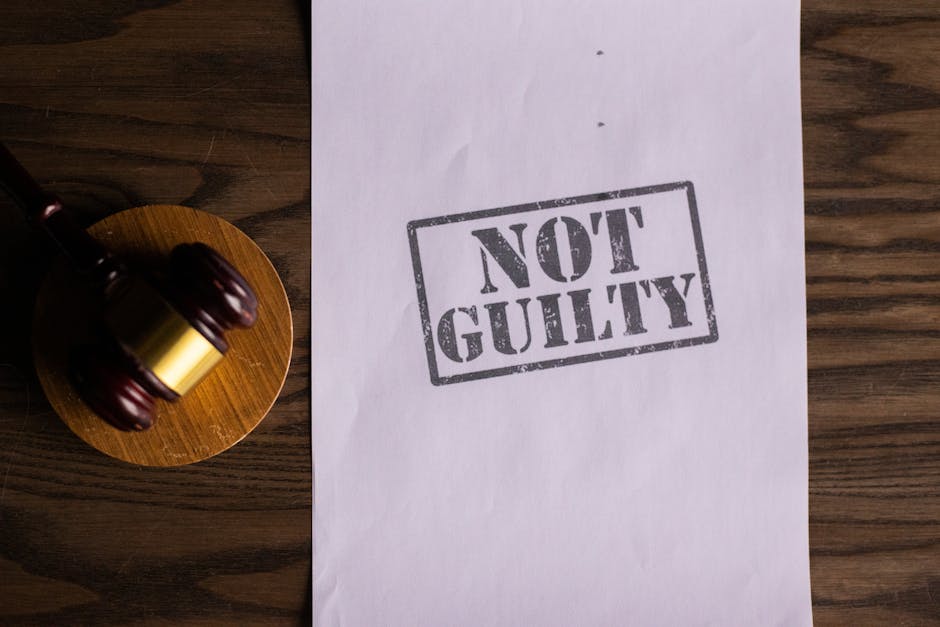
 Photo: Openverse - wikimedia
The Madurai Bench of the Madras High Court issued a John Doe order on November 24, 2026, to stop anyone from breaking a recent Supreme Court ruling about lighting a lamp on the Thirupparankundram hill in Madurai. The Supreme Court had previously decided on November 20 that the lamp could be lit on the hillock as a restricted single-use plan.
Legal Orders
A John Doe order, also known as an Ashok Kumar order in India, is a legal block issued against unknown people or the general public without hearing the other side first. In this case, the High Court told the general public not to ask others to break the Supreme Court directive. The bench reminded the District Collector that Article 144 of the Constitution means all civil and judicial officers must help the Supreme Court, and told him to ignore any other advice. The court noted that even though a review petition was filed against the November 20 ruling, waiting for a review does not mean people can ignore the existing order. Despite this, the ruling TVK government went ahead on November 24 and lit the festival lamp only at its usual spot at the bottom of the hill.
Context
This dispute involves the hilltop stone lamp pillar located roughly 50 metres from the Sikandar Badusha Dargah, while the Subramaniya Swamy Temple sits at the base of the hillock. Such legal blocks are frequently used to stop unknown offenders, and have also appeared in other legal contexts like copyright cases or personality rights disputes. When top courts issue interim rulings during religious or property disputes, local authorities often face conflicting pressures from different groups.
ExplainerWhy this matters
What Happened
The Madras High Court issued a John Doe order on November 24, 2026, prohibiting anyone from violating a November 20 Supreme Court order that permitted the lighting of a lamp on the Thirupparankundram hillock as a limited, one-time arrangement. This legal action came amid a wider ownership dispute between Hindu worshippers and the Sikandar Badusha Dargah located on the hilltop.
Why It Matters
This situation highlights a clash between judicial directives from the highest court and actions taken by local administrative and political authorities on the ground. The court's invocation of Article 144 underscores the strict constitutional duty of civil officials to uphold Supreme Court rulings, even when local political tensions or review petitions create intense pressure to do otherwise.
What Happens Next
Legal proceedings will likely continue as the Supreme Court considers the pending review petition regarding the original November 20 order. Meanwhile, local authorities and law enforcement must navigate the ongoing tensions surrounding religious observances at the Thirupparankundram site.
More in General
GeneralSource: The HinduWorth knowing
Dharwad Zilla Panchayat CEO urges 100% pass rate in government PU colleges.
Reported by Abhishek Tiwari (Copy Editor) · The Hindu - National ·

General• UpdatedExplainerSource: The HinduWorth knowing
Madurai Collector Blames Temple Board for Supreme Court Order Breach on Karthigai Deepam.
Reported by Manish Reddy (Senior Writer) · The Hindu - National ·