 The Daily Pulse
Health
Millions of Cancer Patients Lack Access to Essential Genetic Tests, Global Report Finds
Reported by Neha Sharma (Staff Writer) · The Hindu - Health ·
Reported by one source so far
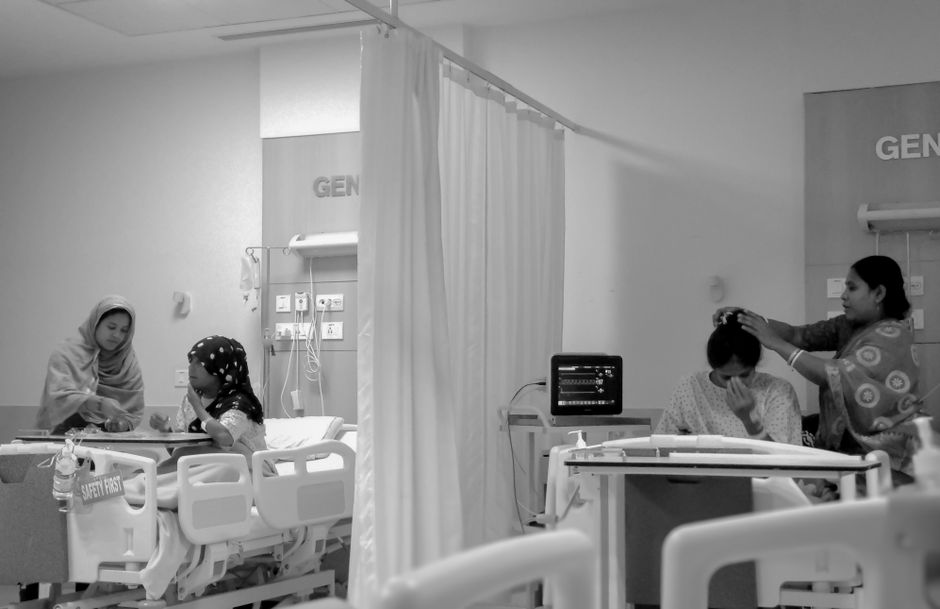
 Representative image · Pexels
Seven to eight million cancer patients worldwide need standard‑of‑care molecular testing each year, yet most do not receive it, a new Lancet Oncology commission reports. The analysis shows stark inequality: only about 2% of biomarker‑based cancer trials occur in low‑ and middle‑income countries, while high‑income nations conduct almost 81% of such studies. Global spending on cancer medicines has jumped roughly 75% in the past five years, reaching about US$252 billion in 2024 and projected to hit US$441 billion by 2029. Researchers examined worldwide clinical‑trial data, genomic datasets and surveyed national cancer programmes to reach these conclusions. In low‑ and middle‑income settings, testing coverage remains far below universal levels. For instance, an estimated 314,000 women with ovarian cancer qualify for BRCA testing annually, but around half miss it, largely due to limited access in these regions. To address the gap, the commission proposes a prioritisation framework for molecular tests and matched therapies, a system‑readiness assessment tool, a workforce‑competency guide and principles for responsible data‑sharing. It also outlines ten core recommendations and a phased roadmap to embed precision oncology into cancer control and universal health coverage.
Context
The report highlights that while precision oncology promises targeted treatments, its benefits are unevenly distributed, especially where health systems lack resources and infrastructure, reinforcing existing health inequities.
ExplainerWhy this matters
What Happened
A Lancet Oncology commission examined global data and found that 7‑8 million cancer patients need molecular tests each year, but testing rates are low, especially in low‑ and middle‑income countries.
Why It Matters
Without access to genetic testing, patients miss targeted therapies that can improve survival and reduce side‑effects. The unequal distribution also means research benefits and new drug developments are concentrated in wealthy nations, widening health gaps.
What Happens Next
The commission’s recommendations call for countries to adopt a prioritisation framework, build lab capacity, train health‑workforce staff and create data‑sharing rules. Implementation will likely be gradual, with high‑income nations leading and lower‑income regions seeking international support and funding to close the testing gap.
More in Health
 Representative image · Pexels
Health• UpdatedUnconfirmed — Reported by one source so farWorth knowing
Poor diet, sedentary habits and prolonged screen use are causing rising metabolic disorders among young people at increasingly younger ages.
Reported by Deepak Mishra (Copy Editor) · The Hindu - Health ·
Representative image · PexelsHealthUnconfirmed — Reported by one source so farWorth knowing
Can excessive phone use cause a smartphone brain? Expert explains impact on focus and sleep
Reported by Danish Ansari (Fact-Checker) · Hindustan Times - Health ·
 Representative image · Wikimedia Commons
HealthUnconfirmed — Reported by one source so farWorth knowing
Poor diet, sedentary habits and prolonged screen use are contributing to rising metabolic disorders among young people at increasingly younger ages.
Reported by Siddharth Deshmukh (Staff Writer) · The Hindu - Health ·