 The Daily Pulse
Health
Karnataka Minister Warns Cancer and AIDS Drug Prices Can Be 70 Times Procurement Cost
Reported by Rohit Yadav (Staff Writer) · The Hindu - Health ·
Reported by one source so far
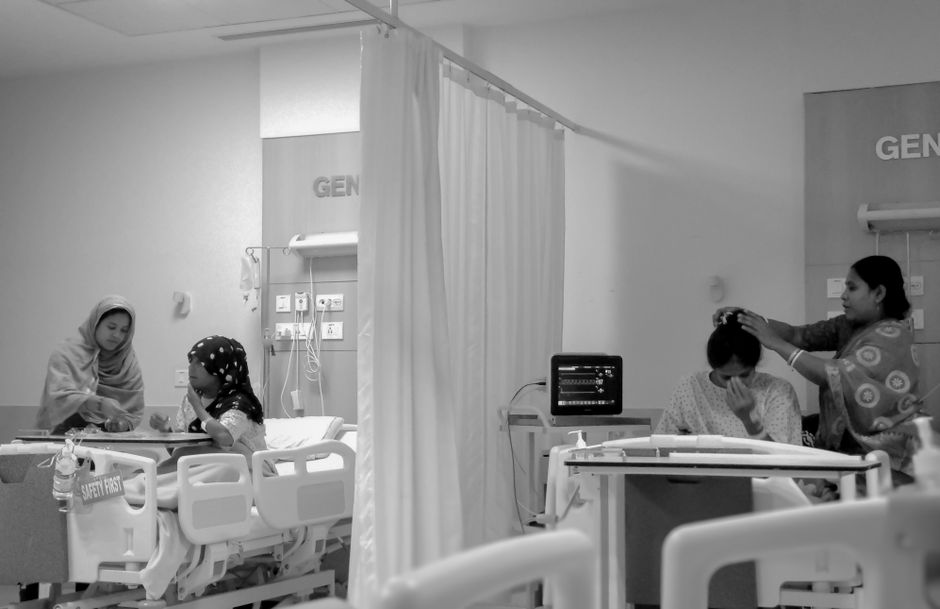
 Representative image · Pexels
Karnataka’s health minister says cancer, kidney and AIDS medicines are being sold at up to 70 times the price dealers pay. He wrote to Union Health Minister J.P. Nadda asking the centre to act on the “abnormal gaps” between procurement costs and retail prices. Dealers buy advanced drugs at heavily discounted wholesale landed rates, while printed MRPs are set at inflated levels that can be 30 to more than 70 times higher. The gap hurts in‑patients, emergency and ICU cases, oncology patients and anyone needing implants or surgical consumables because they cannot compare suppliers or delay purchases. The current MRP rule stops sellers from exceeding the printed price but does not stop hospitals from adding large undisclosed margins. Khader wants a national study that compares printed MRP, manufacturer or importer price, hospital net acquisition cost and the final bill to patients for selected high‑value medicines, devices and consumables. He also proposes capping the patient‑facing price at the lower of the statutory price, the MRP or the hospital’s net cost plus a reasonable service margin and taxes. Karnataka will join any pilot or national framework, can force private hospitals to share more price information, issue detailed bills and set up a local complaints system. However, the minister says the centre must fix the fundamental mismatch between what hospitals pay, the printed MRP and what patients finally pay.
Context
The price gap shows how the MRP system, meant to protect buyers, can be sidestepped when hospitals add large margins, a pattern seen in other Indian states. This makes it hard for patients to know the real cost of life‑saving drugs.
ExplainerWhy this matters
What Happened
Karnataka Health Minister U.T. Khader raised alarm that some high‑value drugs are sold at prices many times higher than what dealers pay and asked the centre for a national study.
Why It Matters
When hospitals charge far above the procurement cost, patients—especially those needing urgent or expensive treatment—face unaffordable bills. The inflated MRPs also hide the true cost, preventing transparency and enabling large, hidden margins that strain public health budgets.
What Happens Next
The centre may launch a pilot to compare prices across the supply chain and set caps based on the lowest cost plus a modest margin. Karnataka will share data and enforce detailed billing, while policymakers watch for a national framework that could standardise price disclosures and protect patients nationwide.
More in Health
 Representative image · Pexels
Health• UpdatedUnconfirmed — Reported by one source so farWorth knowing
Poor diet, sedentary habits and prolonged screen use are causing rising metabolic disorders among young people at increasingly younger ages.
Reported by Deepak Mishra (Copy Editor) · The Hindu - Health ·
Representative image · PexelsHealthUnconfirmed — Reported by one source so farWorth knowing
Can excessive phone use cause a smartphone brain? Expert explains impact on focus and sleep
Reported by Danish Ansari (Fact-Checker) · Hindustan Times - Health ·
 Representative image · Wikimedia Commons
HealthUnconfirmed — Reported by one source so farWorth knowing
Poor diet, sedentary habits and prolonged screen use are contributing to rising metabolic disorders among young people at increasingly younger ages.
Reported by Siddharth Deshmukh (Staff Writer) · The Hindu - Health ·