 The Daily Pulse
General
High Rejection And Deletion Rates Seen In Telangana Electoral Rolls Revision
Reported by Vivek Joshi (Copy Editor) · The Hindu - National ·
Reported by one source so far
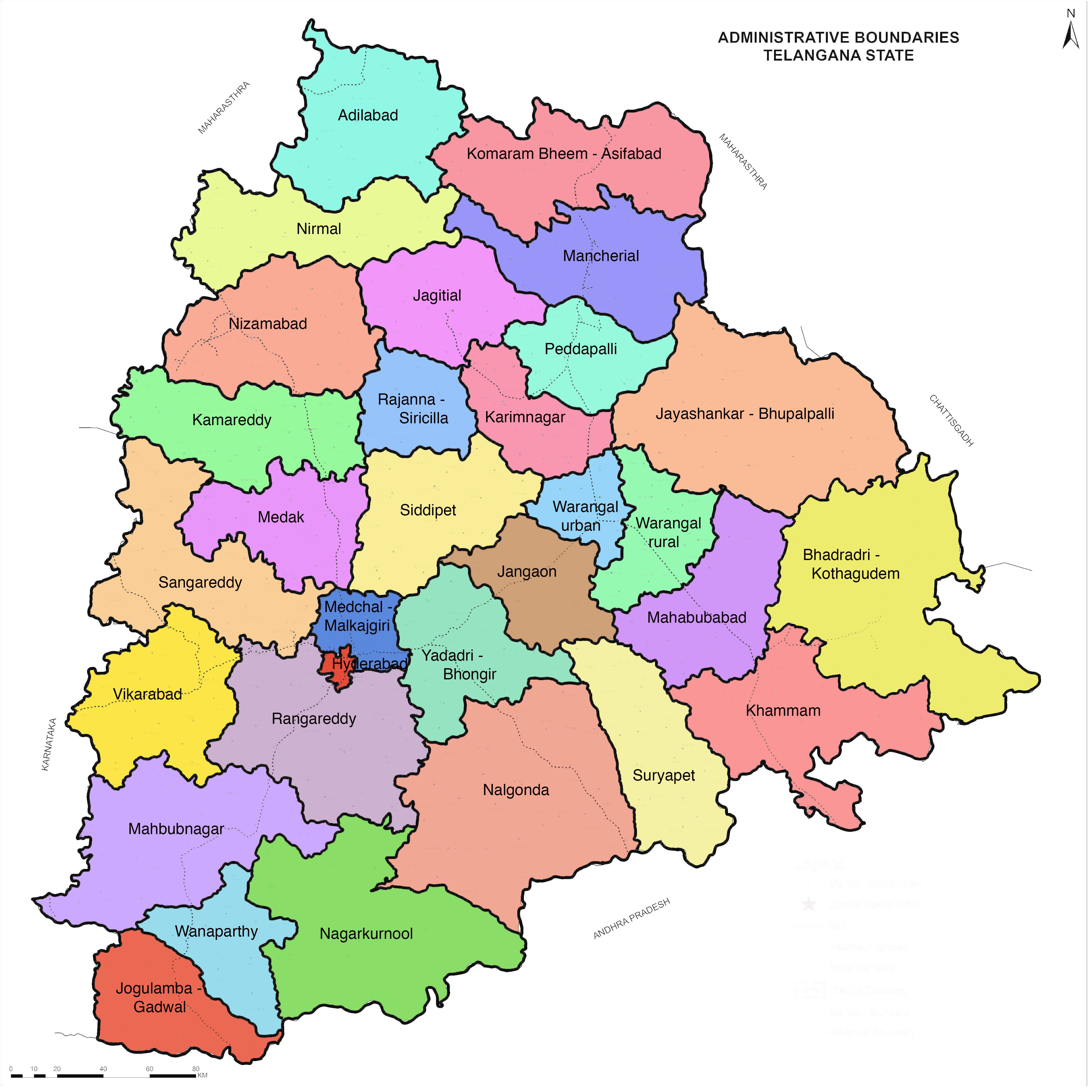 Photo: Openverse - wikimedia
Genuine voters face a high risk of being left out of the final electoral rolls in Telangana following the Special Intensive Revision, as rejections and deletions reach unusually high levels. The rejection rate for Form-6 new voter applications climbs to 27 percent when factoring in pending verifications, while total exclusions across phases could exceed 80 lakh.
Application Numbers And Rejections
A total of 10,77,450 Form-6 applications were filed across 119 constituencies in Telangana. The state received 5,20,331 applications between January 1, 2026, and June 14, 2026; 3,18,042 applications between June 15, 2026, and August 16, 2026; 1,70,374 applications during the Claims and Objections phase; and 68,703 applications from October 8 to October 28, 2026. Out of all received applications, 2,43,643 were rejected based on data from the Chief Electoral Officer's office, giving a 23 percent rejection rate on total receipts, which rises to 27 percent with 1,61,214 applications still pending verification. Most rejections happened during the pre-SIR phase, where 1,92,574 out of 5,20,331 applications were rejected, marking a 37 percent rejection rate.
Form-7 Deletions
Deletions form the largest chunk of exclusions, with the Enumeration Phase accounting for 73,39,235 removed voters. Even before the Special Intensive Revision exercise started, 5,13,375 Form-7 applications were filed between January 1 and June 14, 2026, resulting in 4,54,340 acceptances. Officials stated these involved Demographically Similar Entries and Photo Similar Entries identified by the ECINET software, though 47,303 Form-7 applications were rejected without explanation during that period. Overall, 5,81,273 Form-7 applications were filed from January 1, 2026, with 5,08,057 accepted, 54,681 rejected, and 18,535 under process. Furthermore, 50,502 electors were found ineligible, with 19,535 rejected for logical discrepancies and 30,207 for failing to map with 2002 Special Intensive Revision rolls.
Context
The Election Commission of India conducts periodic revisions of electoral rolls to ensure voter lists remain clean and accurate by adding eligible new citizens and removing duplicate or dead entries. Special exercises like the Special Intensive Revision involve intensive field verification and digital scrutiny to verify every elector's credentials against baseline records.
ExplainerWhy this matters
What Happened
Telangana's electoral rolls underwent a Special Intensive Revision, resulting in massive numbers of Form-6 application rejections and Form-7 name deletions handled via digital software and administrative checks.
Why It Matters
Large-scale exclusions from electoral rolls directly affect democratic participation by keeping genuine electors out of voting lists, raising questions about verification transparency, logical discrepancies, and the mapping of voters to older baseline rolls.
What Happens Next
Final electoral rolls will be published after pending verifications and hearings are completed for the remaining electors whose cases are still under process or awaiting notices.
More in General
 Photo: Wikimedia Commons
GeneralUnconfirmed — Reported by one source so farWorth knowing
Sabarimala faces Aravana shortage risk as transport contract row delays material movement
Reported by Arjun Sethi (Fact-Checker) · The Hindu - National ·

