 The Daily Pulse
Science & Environment
Study links rising noise pollution to trait changes in most wildlife species
Reported by Aditya Chauhan (Staff Writer) · The Hindu - Science ·
Confirmed by a second source: The Hindu - Energy and Environment
 Photo: Wikimedia Commons
New research in Science shows extreme noise in the Anthropocene is reshaping traits in 80% of the 177 aquatic and terrestrial species examined. The analysis covered more than 200 experimental studies from six continents, revealing that chronic sound from traffic, industrial activity, offshore construction, petroleum exploration, sonar operations and multiple other sources has surged over the past half‑century. Physiological, developmental and behavioural functions were altered across the board. Marine predators such as killer whales suffered reduced prey‑detection ability, highlighting direct fitness impacts. Overall, the noisy soundscape now affects over 100 species worldwide, according to the authors. The study warns that continued growth of anthropogenic sound could undermine ecosystem stability if mitigation is not pursued. Researchers stress that noise should be managed alongside carbon emissions and habitat loss in conservation plans. Because sound travels efficiently in water, even distant marine habitats can experience disruption from coastal activities. The authors call for stricter noise regulations in both marine and terrestrial zones to curb the trend. ## Context Noise pollution is a by‑product of human expansion, and its rise mirrors other Anthropocene stressors like climate change. Understanding how sound disrupts animal traits helps policymakers target quieter technologies and protect vulnerable wildlife. Such measures could reduce stress on wildlife and improve ecosystem resilience.
More from today
EntertainmentSource: Hindustan TimesWorth knowing
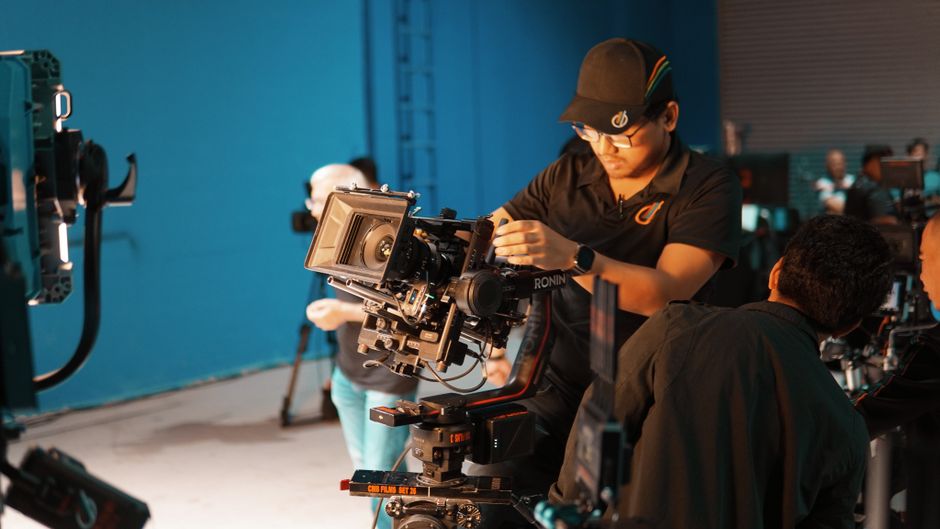
Ramayana film sets cost crores as gold throne and chariot are hand‑made.
Reported by Sneha Patil (Staff Writer) · Hindustan Times - Entertainment ·
 Photo: Wikimedia Commons
AutomobileSource: RushlaneWorth knowing
TVS Unveils Production‑Spec M1‑S Electric Scooter at EICMA 2026
Reported by Kunal Bhatia (Senior Writer) · Rushlane ·
 Photo: Wikimedia Commons
EntertainmentSource: Indian ExpressWorth knowing
Shehzad Poonawalla Wins Rise And Fall 2, Claims ₹35 Lakh Prize
Reported by Pooja Nair (Section Editor) · Indian Express - Entertainment ·