 The Daily Pulse
Trending
Meetings held to stop illegal opium farming and cyber crime
Reported by Rituparna Sen (Section Editor) · Dainik Bhaskar ·
Confirmed by a second source: Hindustan
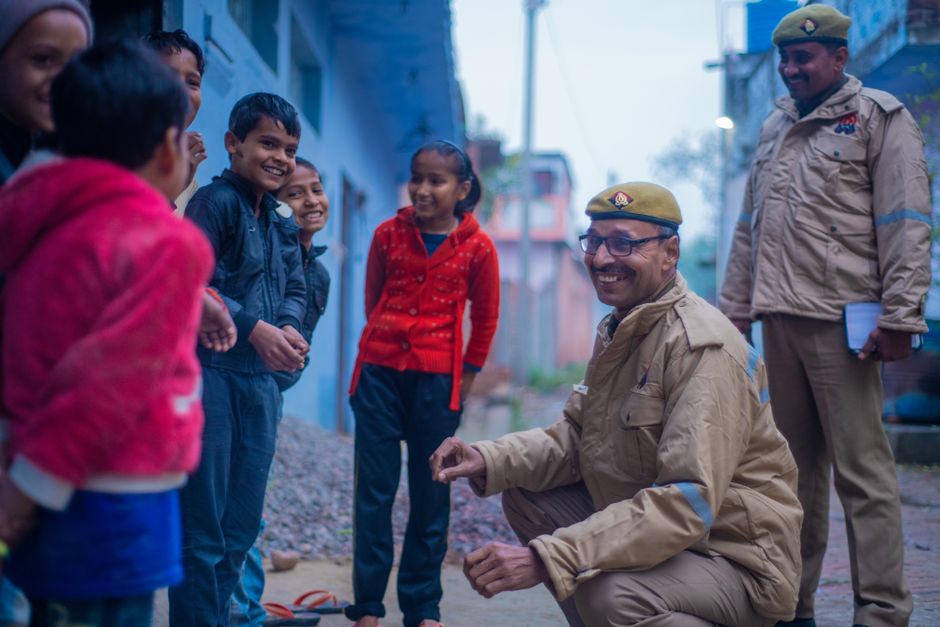
Community Meetings Held
autoridades held a meeting at the Sonua police station premises on Thursday focusing on road safety, cyber crime, the drug-free India campaign, and the witch-craft practice awareness program with local community leaders, manki, and munda. Meanwhile, a similar awareness campaign started at the Namkum block auditorium on Thursday against illegal opium farming.
Administration and Public Appeal
During the Namkum event, the administration urged public representatives to run awareness campaigns in their areas and help completely stop illegal opium farming. Representatives demanded that the administration put up posters and banners, provide employment opportunities, and increase police patrols. DSP Amar Kumar Pandey said that officers and representatives should make people aware of the bad results of banned farming and inspire them to grow other crops instead. Station-in-charge Ramnarayan Singh asked people to give information about those doing illegal opium farming to the police, while BDO Pinky Priyanka Hembrom talked about connecting with government development schemes and adopting alternative means of employment.
Pledge and Attendees
All present people took an oath against illegal opium farming and drugs during the program. Attendees included DSP Amar Kumar Pandey, CO Kamal Kishore Singh, BDO Pinky Priyanka Hembrom, station-in-charge Ramnarayan Singh, Pramukh Asha Kachhap, Zilla Parishad member Rita Horo, Bipin Toppo, Pansas Kalyan Linda, Madho Kachhap, Mukhiya Nanhe Kachhap, Saraswati Devi, Nutan Pahan, Neeta Kachhap, SI Praveen Kumar, Sunil Kumar, ASI Satyendra Singh, Ujjwal Singh, and Devendra Singh.
Context
Awareness campaigns involving local administrative officials and elected village representatives are commonly used in rural areas to address social issues and illegal practices. Authorities often rely on community cooperation and alternative livelihood options to tackle farming of banned substances.
More in Trending
 Photo: Wikimedia Commons
TrendingVerified — Confirmed by a second source: Navbharat TimesImportant
Hero launches Xtreme 125R Stealth Edition with new features and digital display
Reported by Abhishek Tiwari (Copy Editor) · AajTak ·

