The Daily Pulse
Health
Expert Shares Essential First-Aid Steps for Treating Common Home Burns
Reported by Kavya Rao (Senior Writer) · Hindustan Times - Health ·
Reported by one source so far
 Representative image · Pexels
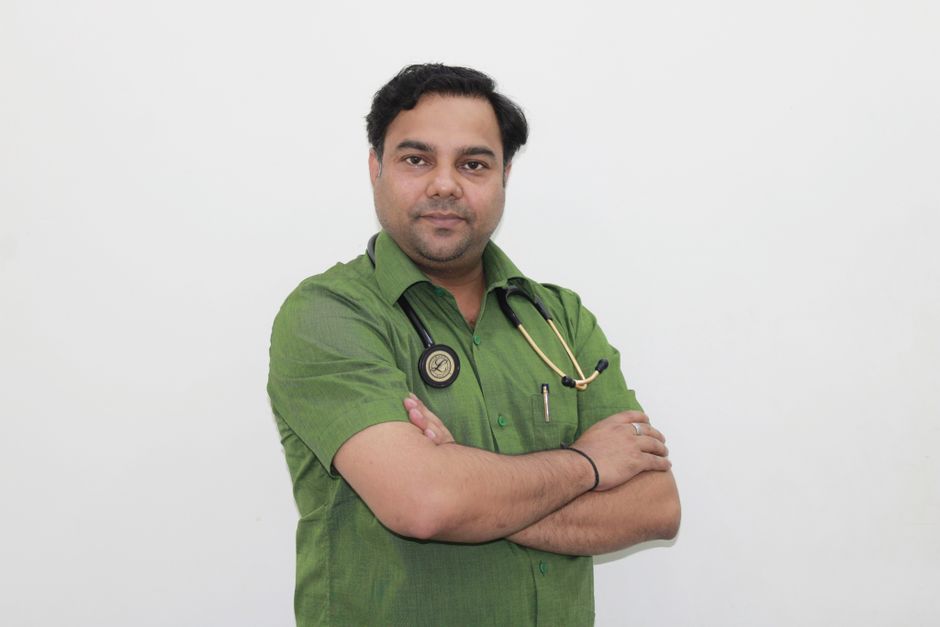
Burns rank among the most frequent injuries at home, and the first few minutes after an incident matter most. Dr Aruna Ramesh, HOD and senior consultant in the Department of Accident and Emergency Medicine at Ramaiah Memorial Hospital in Bengaluru, outlined proper first-aid steps and warned against traditional remedies like butter, ghee, toothpaste, turmeric, or flour.
Oil and Steam Burns
For an adult whose hand is splashed with hot oil, the first step is to move away from the heat source and place the affected skin under cool running tap water for 20 minutes. Rings, bangles, watches, and other tight items must be removed early before rapid swelling sets in, and the area should be loosely covered with a clean, non-stick dressing or sterile gauze afterwards. Steam burns from opening a pressure cooker can be deceptively serious, and any burn involving the face, eyes, hands, or a major joint requires medical assessment. If breathing difficulties, facial swelling, or hot steam inhalation are concerns, urgent emergency care is necessary.
Child Burns and Blisters
When a young child spills hot tea, the priority is to remove them from the heat source and cool the area with cool water while covering the rest of their body to prevent them from feeling cold. Clothing soaked in hot liquid should be carefully removed if not stuck to the skin, but if fabric is stuck, it must not be pulled away. Because children have smaller bodies and suffer severe injuries from small amounts of hot liquid, young children with burns need immediate emergency medical care. Blisters serve as the body's natural covering and must never be deliberately popped or peeled, as breaking them exposes tissue and raises infection risks. Similarly, adhesive plasters should not be placed directly onto fresh burns because they stick to damaged skin and cause extra trauma when removed.