 The Daily Pulse
Health
India Can Become Global Hub for Rare Disease Drugs, Say Experts
Reported by Aditya Chauhan (Staff Writer) · The Hindu - Health ·
Reported by one source so far
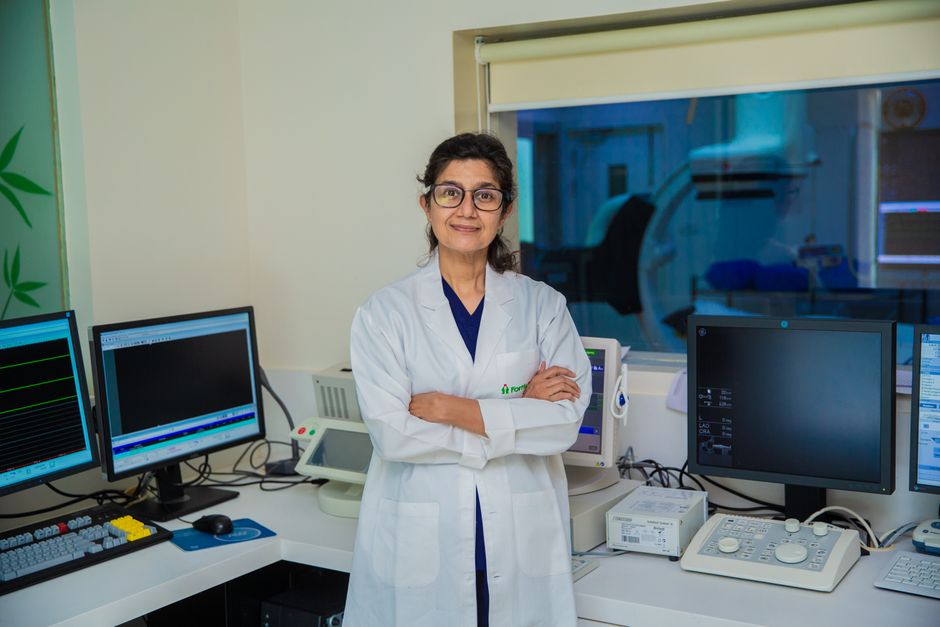 Representative image · Pexels
India has the potential to emerge as a major global hub for rare-disease drugs by combining its large patient pool, manufacturing strength, and streamlined regulatory pathways. While individual rare diseases affect very few people, about 8,000 such conditions cumulatively impact hundreds of millions worldwide, with 1,004 rare genetic disorders reported in India so far.
The Cost Challenge
Because patient numbers for any single rare disease are very small, drug development has historically faced low industry interest, earning these medicines the name orphan drugs. To overcome this, governments like the U.S. introduced measures like the 1983 Orphan Drug Act, offering tax incentives and market exclusivity that raised U.S. approvals from 38 to 1,122 by 2022. Similar rules were later adopted in Japan, Australia, and the European Union. However, high development costs mean annual treatments often exceed $100,000 or roughly Rs 1 crore, placing them out of reach without insurance or state support.
India's Current Landscape
The Indian government provides up to Rs 50 lakh for patient treatment, but this often falls short, forcing families to rely on crowdfunding. In mid-2025, a 16-month-old child in Kolkata required Rs 9 crore raised via crowdfunding for gene therapy, while nearly 4,000 children are currently listed on a government platform with annual treatment costs topping Rs 9,000 crore. Presently, available drugs cater to only about 5% of rare diseases.
Opportunities and Solutions
India offers unique advantages for clinical trials due to its population of over 1.4 billion and high rates of endogamy in certain groups, where the prevalence of conditions like beta-thalassemia can reach 10.5% compared to a national average of 3.7%. Patient groups are also increasingly organized, with a longitudinal study tracking 70 people with GNE myopathy and Rett syndrome registries exceeding 400 patients. Experts suggest foreign drug makers can partner with local organizations for trials, much like chip-manufacturing collaborations. Under benefit-sharing concepts akin to WHO Pandemic Agreement discussions, India could negotiate local price controls for domestic and Global South markets while leaving global pricing free.
Manufacturing and Regulation
Already known as the pharmacy of the world, India supplies 47% of U.S. generic prescriptions, holds the largest number of U.S.-regulated manufacturing sites outside America, and provides 15% of all biosimilars sold in the U.S., alongside producing personalized CAR-T cancer therapies. Furthermore, Rule 101 of the New Drugs and Clinical Trials Rules 2019 allows the Central Drugs Standard Control Organisation to approve drugs cleared by regulators in six nations, including the U.S. and U.K., without requiring new local clinical trials, provided safety, bioequivalence, and manufacturing standards are met.
Context
Orphan drugs are specialized pharmaceutical products created to treat medical conditions that affect a very small percentage of the population. Because the commercial return from such a limited consumer base is naturally low, pharmaceutical companies usually avoid investing in them without government incentives, regulatory shortcuts, or special pricing protections. Developing nations like India are increasingly exploring how to balance affordable local access with high-end biomedical research and manufacturing capabilities.
More in Health
 Representative image · Pexels
Health• UpdatedUnconfirmed — Reported by one source so farWorth knowing
Poor diet, sedentary habits and prolonged screen use are causing rising metabolic disorders among young people at increasingly younger ages.
Reported by Deepak Mishra (Copy Editor) · The Hindu - Health ·
Representative image · PexelsHealthUnconfirmed — Reported by one source so farWorth knowing
Can excessive phone use cause a smartphone brain? Expert explains impact on focus and sleep
Reported by Danish Ansari (Fact-Checker) · Hindustan Times - Health ·
 Representative image · Wikimedia Commons
HealthUnconfirmed — Reported by one source so farWorth knowing
Poor diet, sedentary habits and prolonged screen use are contributing to rising metabolic disorders among young people at increasingly younger ages.
Reported by Siddharth Deshmukh (Staff Writer) · The Hindu - Health ·