 The Daily Pulse
Health
New Heart Valve Procedure Replaces Open Surgery for Many Patients
Reported by Rohit Yadav (Staff Writer) · The Hindu - Health ·
Reported by one source so far
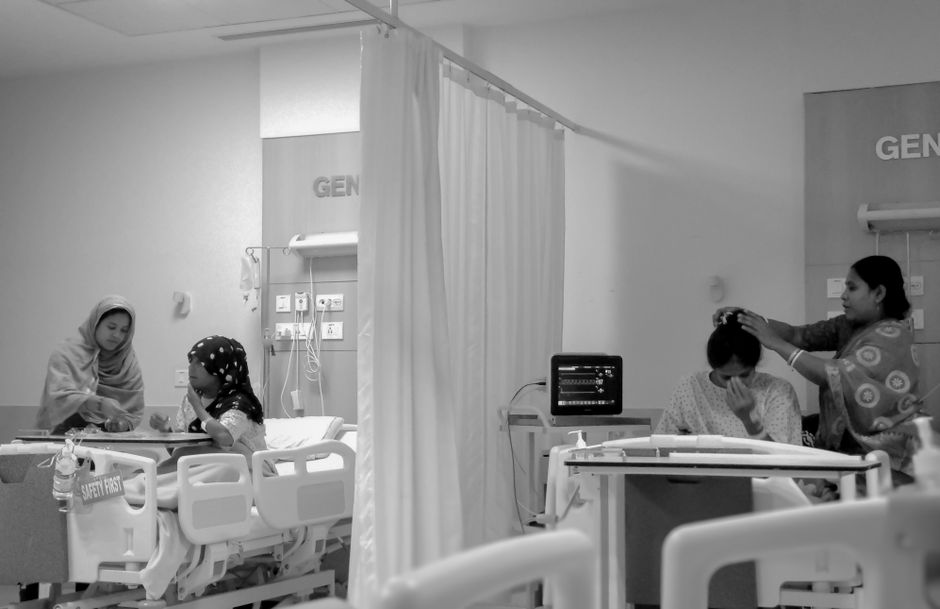 Representative image · Pexels
A medical procedure known as Transcatheter Aortic Valve Implantation, or TAVI, lets doctors replace a narrowed heart valve without cutting through the chest bone. The aortic valve sits between the main heart ventricle and the aorta to pump oxygen-rich blood through the body. Over time, calcium builds up on this valve to create a rigid narrowing called aortic stenosis, which happens most often in adults over 70 or in people born with only two valve cusps instead of three. When the valve narrows, the heart must work much harder to push blood through the tight space. Early signs include feeling tired from simple tasks, while worse symptoms bring shortness of breath, chest discomfort, dizziness, and fainting spells. Doctors use an echocardiography test with sound waves to check how narrow the valve has become. Without treatment, severe aortic stenosis leads quickly to heart failure and sudden cardiac death. Instead of open-heart surgery, TAVI places a biological valve made from cow or pig tissue inside a metal frame at the tip of a catheter. Doctors typically insert this tube through a leg artery and guide it up to the heart to deploy the new valve instantly. The procedure is often done using local anesthesia and mild sedation based on each patient's needs. Most patients can leave the hospital within a few days. While TAVI started for patients too risky for surgery, it is now the preferred choice for most people over 65 with aortic stenosis. It is not suitable for everyone, as younger patients or those needing bypass surgery require careful evaluation. Each tissue valve lasts about 10 to 12 years, so a team of cardiologists, surgeons, and imaging experts must plan each patient's lifelong care.
Context
Heart valve disease becomes more common as people age due to normal wear and tear on the body. Modern medical techniques like TAVI aim to reduce recovery times and avoid the heavy physical toll of major open operations, especially for older patients.
More in Health
Representative image · PexelsHealth• UpdatedUnconfirmed — Reported by one source so farWorth knowing
Poor diet, sedentary habits and prolonged screen use are causing rising metabolic disorders among young people at increasingly younger ages.
Reported by Deepak Mishra (Copy Editor) · The Hindu - Health ·
Representative image · PexelsHealthUnconfirmed — Reported by one source so farWorth knowing
Can excessive phone use cause a smartphone brain? Expert explains impact on focus and sleep
Reported by Danish Ansari (Fact-Checker) · Hindustan Times - Health ·
 Representative image · Wikimedia Commons
HealthUnconfirmed — Reported by one source so farWorth knowing
Poor diet, sedentary habits and prolonged screen use are contributing to rising metabolic disorders among young people at increasingly younger ages.
Reported by Siddharth Deshmukh (Staff Writer) · The Hindu - Health ·