The Daily Pulse
Science & Environment
India Needs Methane Plan as Coking Coal Production Rises
Reported by Faizan Khan (Staff Writer) · Mongabay India ·
Reported by one source so far
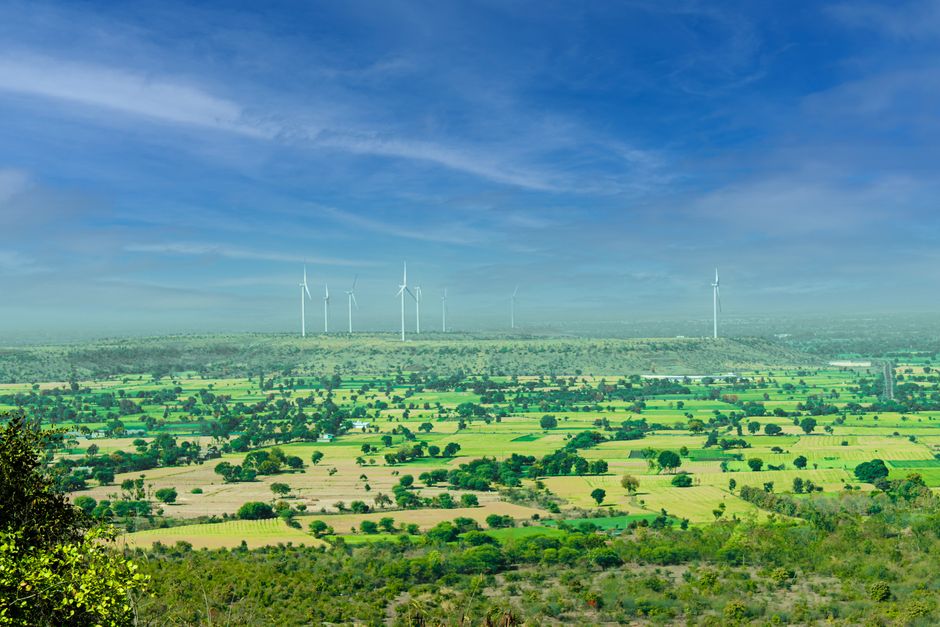 Representative image · Pexels
India is working to double its coking coal production by the year 2030 to supply its growing steel industry. A new analysis from the Institute for Energy Economics and Financial Analysis warns that this mining expansion will release large amounts of methane, a potent greenhouse gas.
Mining Expansion and Emissions
Mining operations release methane trapped inside coal seams during extraction, ventilation, and transport. Coking coal mining produces about fifty percent more methane than non-coking coal mining. India mined 66.8 million tonnes of raw coking coal in the 2023-24 financial year, but washed only about 5.4 million tonnes to the quality needed for steelmaking. Under Mission Coking Coal, the country aims to raise domestic production to around 140 million tonnes by financial year 2030. Most current coking coal mining relies on surface methods, but easily accessible reserves are shrinking. Around 41 percent of remaining reserves lie deeper than 300 metres, requiring underground mining, which typically generates higher methane emissions.
Mitigation and Future Steps
Research shows that seven proposed mines could increase methane emissions by roughly 10 percent over current operations. However, targeted interventions can curb these emissions. Eighty-one percent of emissions from 30 operating mines come from just seven locations, mostly in Jharkhand. Experts suggest making pre-feasibility studies mandatory to assess methane levels early. Abatement technologies like degasification, ventilation air methane oxidation, and capture systems can reduce emissions by around 125 kilotonnes across major mines. Additionally, shifting toward scrap-based steelmaking and alternative technologies can lower overall coking coal demand.
Context
Methane is a greenhouse gas with a much higher warming power than carbon dioxide in the short term, making early control of leaks and ventilation emissions critical for climate goals. As countries transition their heavy industries, managing fugitive gases from resource extraction is becoming a key part of industrial decarbonisation policies worldwide.
ExplainerWhy this matters
What Happened
India is scaling up its coking coal production to fuel a massive expansion in steel manufacturing, but current mining practices risk locking in high methane emissions for decades as miners dig deeper underground.
Why It Matters
Methane is a powerful greenhouse gas that traps heat far more effectively than carbon dioxide over a short time horizon. Because coking coal mining is especially gas-intensive and deep underground mines release significantly more methane, unchecked expansion will severely undermine national and global climate targets.
What Happens Next
Policymakers and mining companies face decisions on whether to mandate pre-feasibility methane studies, invest in abatement technologies like degasification, and accelerate the adoption of alternative steelmaking methods that rely less on coking coal.
More from today
 Representative image · Wikimedia Commons
Science & EnvironmentExplainerUnconfirmed — Reported by one source so farWorth knowing
EPA Workers' Union Sues Agency Over Cancelled Contract
Reported by Deepak Mishra (Copy Editor) · The Guardian - Environment ·
 Representative image · Pexels
Health• UpdatedUnconfirmed — Reported by one source so farWorth knowing
Poor diet, sedentary habits and prolonged screen use are causing rising metabolic disorders among young people at increasingly younger ages.
Reported by Deepak Mishra (Copy Editor) · The Hindu - Health ·