The Daily Pulse
Education
National Survey Reveals Alarming Mental Health Crisis Across Higher Education Campuses
Reported by Arjun Sethi (Fact-Checker) · Indian Express - Education ·
Reported by one source so far
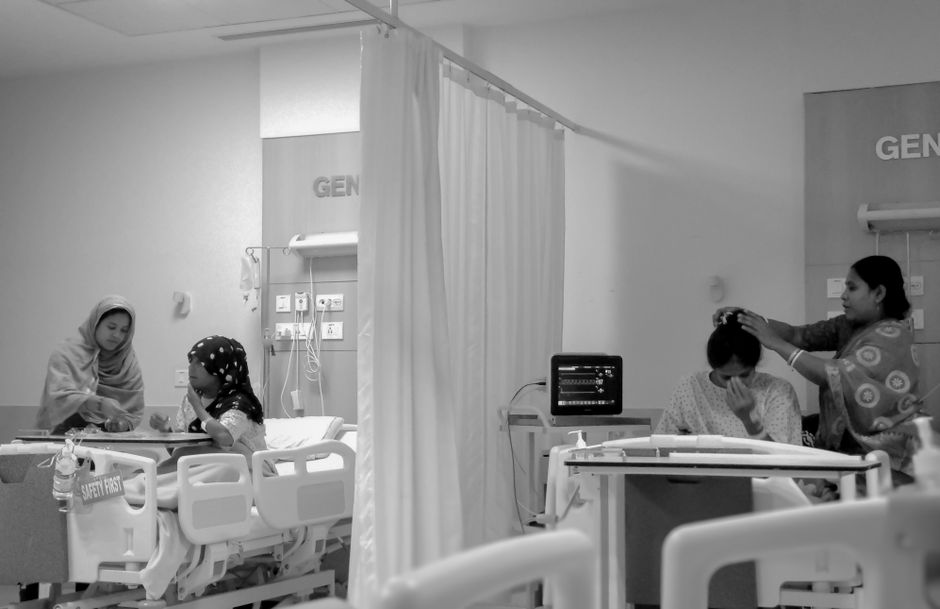
 Representative image · Pexels
A nationwide survey reveals that 34 per cent of students in higher educational institutions feel like outsiders on campus, while nine per cent report experiencing suicidal thoughts often or very often in the past year. The survey, conducted by a Supreme Court-appointed panel for the National Task Force, gathered responses from over 2.43 lakh students, with 67 per cent belonging to Scheduled Caste, Scheduled Tribe, and Other Backward Classes categories.
Survey Findings and Reactions
The findings show that about 15 per cent of students experienced a period in the previous six months when they felt overwhelmed, distressed, or faced low moods continuously for several weeks. Fifty-six per cent of students indicated trust in the administration to handle serious issues fairly, while roughly 32 per cent said their institute did not offer counselling services. Recent student suicides at IIT Bombay and Birla Institute of Technology in Mesra prompted these institutions to replace or modify ceiling fans in hostel rooms as a preventive step. IIT Bombay student Sahil Wakode was found hanging from a ceiling fan on September 18, and a BIT Mesra student died the following day. Official data shows 45 student suicides across 23 IITs between 2020-21 and 2024-25, with 28 involving students from SC, ST, and OBC communities. Experts and mental health professionals argue that physical changes like altering fans offer only superficial reassurance and fail to address the root causes of student distress. Clinical psychologist Shweta Sharma noted that 60 to 70 per cent of her patients come from the IITs and IIMs, struggling with social and relationship pressures despite high academic performance, and pointed out that the student-to-counsellor ratio is never adequate. Delhi Parents Association representative Aparajita Gautam stressed that institutions must take strict action against bullying rather than relying on cosmetic fixes. Educationist Suparna Diwakar and therapist Maitri Chand emphasized the need for systemic shifts, trained counsellors, and strong human connections to help students cope with the transition from school to college.
Context
Mental health challenges in elite academic institutions have drawn increasing scrutiny from courts, regulators, and parent bodies in recent years. While administrative steps often focus on campus infrastructure changes, experts consistently advocate for comprehensive support frameworks and professional counselling to address deep-seated academic pressures.
ExplainerWhy this matters
What Happened
A nationwide survey by a Supreme Court-appointed panel revealed severe mental health distress among students in higher education, highlighting high rates of isolation and suicidal thoughts alongside a lack of adequate counselling services.
Why It Matters
The findings bring national attention to the immense academic pressure and systemic gaps within elite institutions like the IITs, where student suicides have sparked urgent debates about whether physical safety measures alone can prevent tragedies.
What Happens Next
The National Task Force is expected to submit its final report by October 31, which will likely shape future policy directives and mental health frameworks mandated by bodies like the University Grants Commission.
More from today
 Representative image · Wikimedia Commons
EducationUnconfirmed — Reported by one source so farWorth knowing
NCERT releases Class 9 social science book that links historic kings to goddess‑gifted swords
Reported by Varun Krishnan (Senior Writer) · Indian Express - Education ·
 Representative image · Pexels
Health• UpdatedUnconfirmed — Reported by one source so farWorth knowing
Poor diet, sedentary habits and prolonged screen use are causing rising metabolic disorders among young people at increasingly younger ages.
Reported by Deepak Mishra (Copy Editor) · The Hindu - Health ·